
Breadcrumbs
These links will help you get back to where you want to go faster.
Detecting and Tackling Mold in Your Phoenix Air Ducts
Everyone You Need To Know
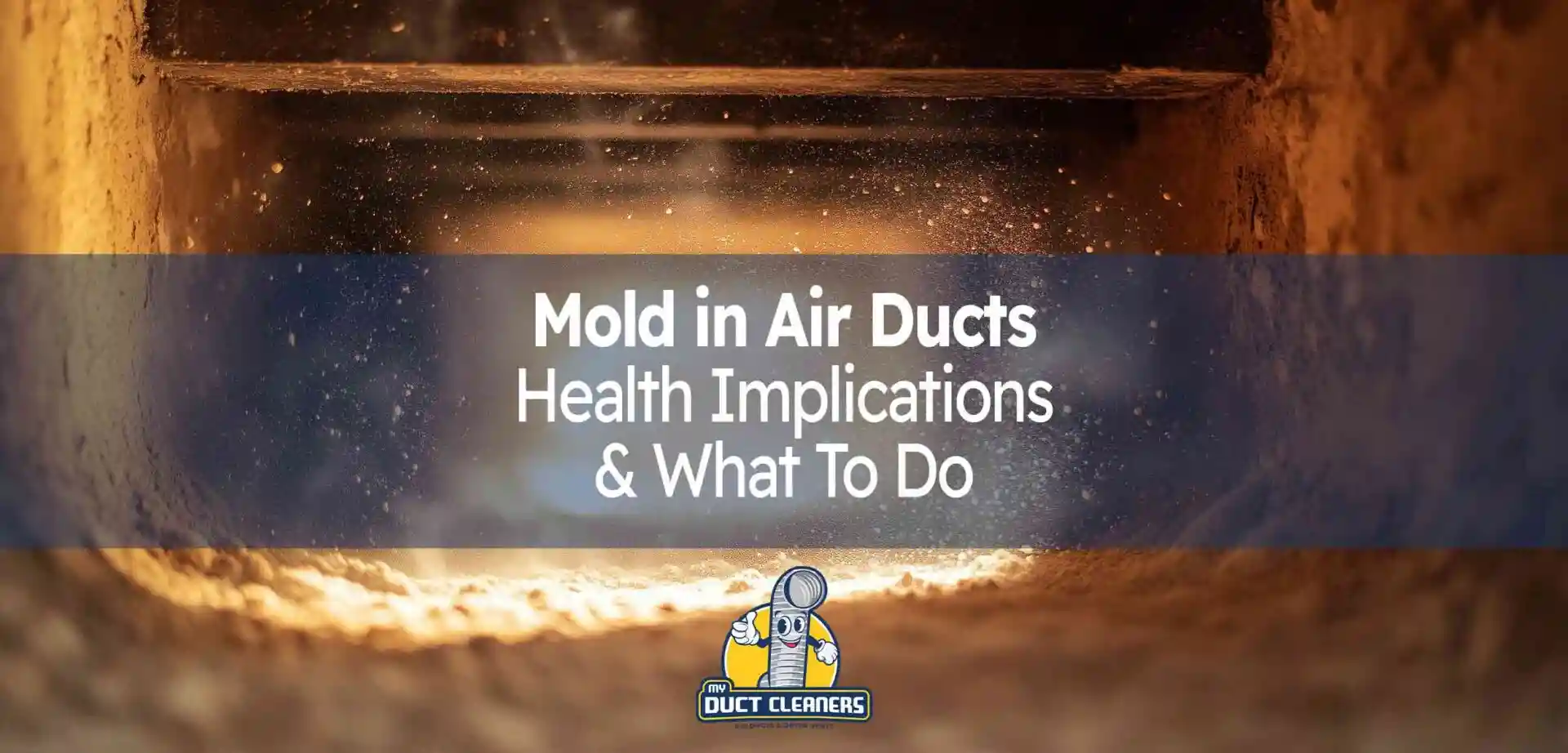
If you live in Phoenix, you’re no stranger to the heat—but what you might not realize is that the warming desert climate paired with your air conditioning system can unknowingly foster a less welcome guest: mold in your air ducts. Several varieties of mold flourish in these warm, sometimes damp environments, including familiar names like Cladosporium, Aspergillus, Penicillium, and the notorious black mold, Stachybotrys. These microscopic invaders come in various shapes and colors—think fuzzy green patches, powdery white spots, or slimy black growths—and they don’t just look uninviting; they can trigger allergies and respiratory problems, with Stachybotrys carrying the added bonus (or curse) of toxic mycotoxins.
NADCA Certified residential air duct cleaning and commercial air duct cleaning technicians can tackle some of the toughest jobs. Are you looking for an air duct cleaner near you in the Major Metropolitan Phoenix area? Call 602-613-0640 or schedule an appointment online.
What you will learn in this article:
– Mold can grow in Phoenix air ducts despite the dry desert climate due to moisture from air conditioning condensation and accumulated dust providing an ideal environment.
– Common molds in Phoenix ducts include Cladosporium (black/green specks), Aspergillus (white/yellow/green formations), Penicillium (fuzzy blue/green/white), Mucor (white and fluffy), Stachybotrys black mold (slimy and toxic), Chaetomium, Fusarium, and Trichoderma.
– Mold in ducts poses health risks such as allergies, respiratory irritation, and exposure to toxic mycotoxins, especially from black mold.

– To remove mold, first identify and eliminate moisture sources like AC drip pans, evaporator coils, and damp insulation.
– Professional mold remediation in HVAC systems in Phoenix uses True HEPA negative air scrubbers, and EPA-approved antimicrobial foggers for deep cleaning source removal and mold containment.
– My Ducts Cleaners is a trusted, family-owned local company specializing in thorough air duct and dryer vent cleaning and HVAC mold remediation.
A Closer Look at Common Mold Culprits in Phoenix Ducts
Let’s break down the usual suspects hiding within your ventilation:
– Cladosporium, recognizable by its black or green, pepper-like specks, is a frequent offender known for setting off allergies.
– Aspergillus appears in shades of white, yellow, or green and takes on varied formations throughout ductwork.
– Penicillium might remind you of the moldy underside of forgotten food, with its fuzzy blue, green, or white textures, often provoking allergic reactions.

– Mucor shows up as white and fluffy, popping up mostly in vents—some strains even survive the heat better than one might expect in the desert.
– The infamous Stachybotrys, or black mold, looks slimy and black and spreads rapidly where moisture lingers, posing significant health risks.
– Other players like Chaetomium and Fusarium contribute to that unmistakable musty odor tied to water damage, while Trichoderma, cream to green in color, thrives in the same warm, moist conditions common in Phoenix homes.
Why Does Mold Settle in Phoenix Air Ducts?
You might think the desert’s arid climate would discourage mold growth, but thanks to your AC system, the duct environment can be surprisingly welcoming—warm temperatures plus condensation equals prime real estate for fungi. Couple that with dust, dirt, and other organic matter that accumulate inside your ducts, and you’ve got a buffet for mold colonization.
Health Implications: More Than Just a Nuisance
The presence of mold in your air ducts isn’t just an aesthetic issue; it’s a potential health hazard. Most molds can provoke symptoms like coughing, sneezing, itchy eyes, and irritated throats. Meanwhile, toxic molds such as Stachybotrys release mycotoxins that can cause more serious respiratory complications or exacerbate existing conditions.
Taking Action: How to Evict Mold from Your Ducts in Phoenix
Eliminating mold involves more than just a quick clean; it demands a systematic strategy that begins with cutting off its water supply. In Phoenix, moisture from air conditioner condensation and leaking ducts often provides the perfect conditions for mold to thrive.
Step One: Identify and Eliminate Moisture Sources
Keep an eye on your AC system’s drip pans, evaporator coils, and any insulation that might be damp or damaged. Employing a dehumidifier can also dramatically reduce indoor humidity levels, especially in spots prone to dampness.
Step Two: When to Call the Professionals
If the mold problem is more than just a light dusting, it’s time to bring in the experts. Professional HVAC mold remediation teams in Phoenix utilize sophisticated equipment 3 stage True HEPA filtered negative air machines to contain spores, specialized agitation tools systems such as compressed air whip systems, brush systems and contact vacuuming equipment for deep cleaning, and foggers with EPA-approved antimicrobial treatments to ensure the mold doesn’t stage a comeback. My Ducts Cleaners is a family-owned air duct cleaning service in Phoenix that you can trust.
Step Three: DIY Maintenance and Prevention
Once My Duct Cleaners have done their deep clean, you can roll up your sleeves to maintain a mold-free environment. Regularly clean vent grilles and any visible ductwork. Swap out your HVAC filters with high-efficiency MERV 11 or higher versions to trap airborne spores. For an extra layer of defense, consider installing UV lights inside your HVAC unit, which helps prevent mold growth on the cooling coils
What Not to Do
A quick warning: don’t fall for the temptation to simply paint or seal moldy areas. This superficial fix only traps the problem, allowing mold to flourish beneath the surface. Also, bleach is not your friend inside air ducts—it can be ineffective, toxic, and even damage your duct materials. Stick to safer, proven methods or professionals.
Local Pros You Can Trust
In the Phoenix area, My Ducts Cleaners stands out as a reliable, family-owned air duct and dryer vent cleaning service. They bring local expertise to the table, ensuring thorough mold removal and helping you breathe a little easier in your own home. The next time you’re cranking up the AC to beat the desert heat, remember the warmth inside your ducts might be inviting more than just cool air. Keep an eye out, act promptly, and don’t be shy about calling in professionals—you’ve got enough worries without adding mold to the mix.

NADCA Certified residential air duct cleaning and commercial air duct cleaning technicians can tackle some of the toughest jobs. Are you looking for an air duct cleaner near you in the Major Metropolitan Phoenix area? Call 602-613-0640 or schedule an appointment online.