
Breadcrumbs
These links will help you get back to where you want to go faster.
Should You Get Your Air Ducts Cleaned?
Get Correct Information Here
Air duct cleaning is a valuable service recommended when you notice mold, pests, or heavy dust in your residential or commercial HVAC systems, especially after addressing their root causes. Proper home ductwork and business ductwork cleaning can significantly enhance your HVAC system’s performance, particularly when performed by trusted professionals like My Duct Cleaners in Phoenix Arizona. It’s important to consider factors such as the age of your HVAC unit or the condition of your ductwork alongside cleaning. Routine air duct cleaning, combined with diligent maintenance and effective moisture control, supports a healthy indoor environment in both residential and commercial settings. Always choose reputable providers who are NADCA certified, and carefully inspect the results to ensure quality.
NADCA Certified residential air duct cleaning and commercial air duct cleaning technicians can tackle some of the toughest jobs. Are you looking for an air duct cleaner near you in the Major Metropolitan Phoenix area? Call 602-613-0640 or schedule an appointment online.
What you will learn in this article:
– Air duct cleaning can improve HVAC performance and indoor air quality by addressing mold, pests, dust, and other contaminants.
– Cleaning critical HVAC components like cooling coils, fans, and heat exchangers can enhance system efficiency, extend equipment life, and reduce energy costs.
– Air duct cleaning is safe and effective when done by experienced professionals, but improper cleaning can damage ducts or temporarily reduce air quality.

– Some providers offer chemical biocides or sealants; however, these should be used cautiously as they have unproven benefits and potential health risks, and no EPA-registered biocides exist for internally insulated ducts.
– Preventive measures like using high-efficiency filters, routine coil and drain pan cleaning, sealing registers during renovations, and moisture management are key to reducing duct contamination.
– Choosing reputable professionals like My Duct Cleaners ensures a healthier indoor environment, improved HVAC efficiency, and long-term comfort for homes and businesses.
Consider air duct cleaning if you observe any of the following in your home ductwork or business ductwork:
– Visible mold growth inside rigid surfaces like sheet metal ducts or other HVAC components. Mold detection in HVAC systems can be nuanced and requires careful attention.
– Significant dust and debris accumulation that releases particles through supply registers.
Addressing these concerns often highlights underlying issues that should be resolved either before or after cleaning, retrofitting, or replacing ducts to maintain long-term effectiveness.
Research indicates that cleaning critical HVAC components—such as cooling coils, fans, and heat exchangers—can improve system efficiency, extend equipment life, and reduce energy and maintenance costs. While air duct cleaning alone may have limited impact if ductwork damage exists, it contributes positively to overall system care. Engaging professional services like My Duct Cleaners in Phoenix Arizona ensures thorough and effective treatment that can enhance the longevity and efficiency of your residential or commercial ductwork.

Choosing to engage in air duct cleaning makes sense as ducts naturally collect dirt over time. When performed correctly by experienced providers, cleaning is safe and enhances the air quality you and your family or employees enjoy.
When hiring duct cleaning services for your home ductwork or business ductwork, utilize common-sense consumer safeguards to assess provider reliability and expertise.
Some services may offer chemical biocides or sealants aimed at eliminating bacteria and mold or reducing dust and sealing air leaks. It is essential to fully understand the benefits and potential risks of these treatments. While specific uses may be appropriate in certain situations, current research has yet to confirm their widespread efficacy or health impact. Notably, no biocides are EPA-registered for use inside internally insulated air ducts.
Regardless of whether you choose duct cleaning, the best approach to prevent contamination is proactive moisture and dirt ingress control.
What is Air Duct Cleaning?
Indoor air quality is increasingly important, prompting many homeowners and business operators to seek solutions that promote healthier environments. Air duct cleaning services, typically priced between $600 and $1,300 per HVAC system depending on size and complexity, offer an opportunity to improve air quality and system cleanliness in both residential and commercial properties. Trusted providers such as My Duct Cleaners in Phoenix Arizona are well-equipped to deliver thorough and professional service.

If you decide to proceed, ensure your contractor agrees to clean all HVAC components thoroughly and is qualified. Air duct cleaning generally covers forced air system parts including supply and return ducts, registers, grilles, diffusers, heat exchangers, coils, condensate pans, fan motors, housings, and air handling units in your home ductwork or business ductwork.
Without proper installation, maintenance, and operation, these elements can accumulate dust, pollen, and debris. Moisture presence can encourage microbial growth like mold, which may release spores into living or working spaces, potentially causing allergic reactions or symptoms for sensitive individuals.
Cleaning utilizes specialized tools to loosen debris and powerful vacuuming to remove it. Some providers might suggest chemical biocides or sealants after cleaning, but these methods should be considered carefully and not replace thorough cleaning.
Note that sealing duct air leaks to improve energy efficiency is distinct from applying interior duct sealants. For best practices on duct sealing, consult EPA’s Energy Star resources.
Deciding Whether to Clean Air Ducts
Given the current understanding of air duct cleaning’s benefits and the uniqueness of every home or business, there is no one-size-fits-all recommendation. If no one in the residence or workplace experiences allergies or unexplained symptoms and no visible dust, mold, or odors are present, duct cleaning is likely unnecessary. It is normal for return registers to gather dust, which can often be removed with simple vacuuming.
If household or business occupants do experience unusual symptoms potentially related to indoor air, it’s best to consult a healthcare professional. Additional resources from the EPA can assist in evaluating and addressing indoor air quality issues.
Cleaning air ducts may appeal simply as a reasonable measure, and while opinions on routine cleaning vary, correctly performed service by companies like My Duct Cleaners in Phoenix Arizona does not cause harm and promotes a healthier indoor environment in both residential and commercial properties.
Be mindful that improper duct cleaning—such as ineffective vacuuming or poor technique—can temporarily reduce indoor air quality or damage HVAC components in your home ductwork or business ductwork, so choosing a qualified professional is important.
Seek advice from My Duct Cleaners, but be cautious of providers making broad health claims or advocating routine cleaning without specific need.
You should consider air duct cleaning if:
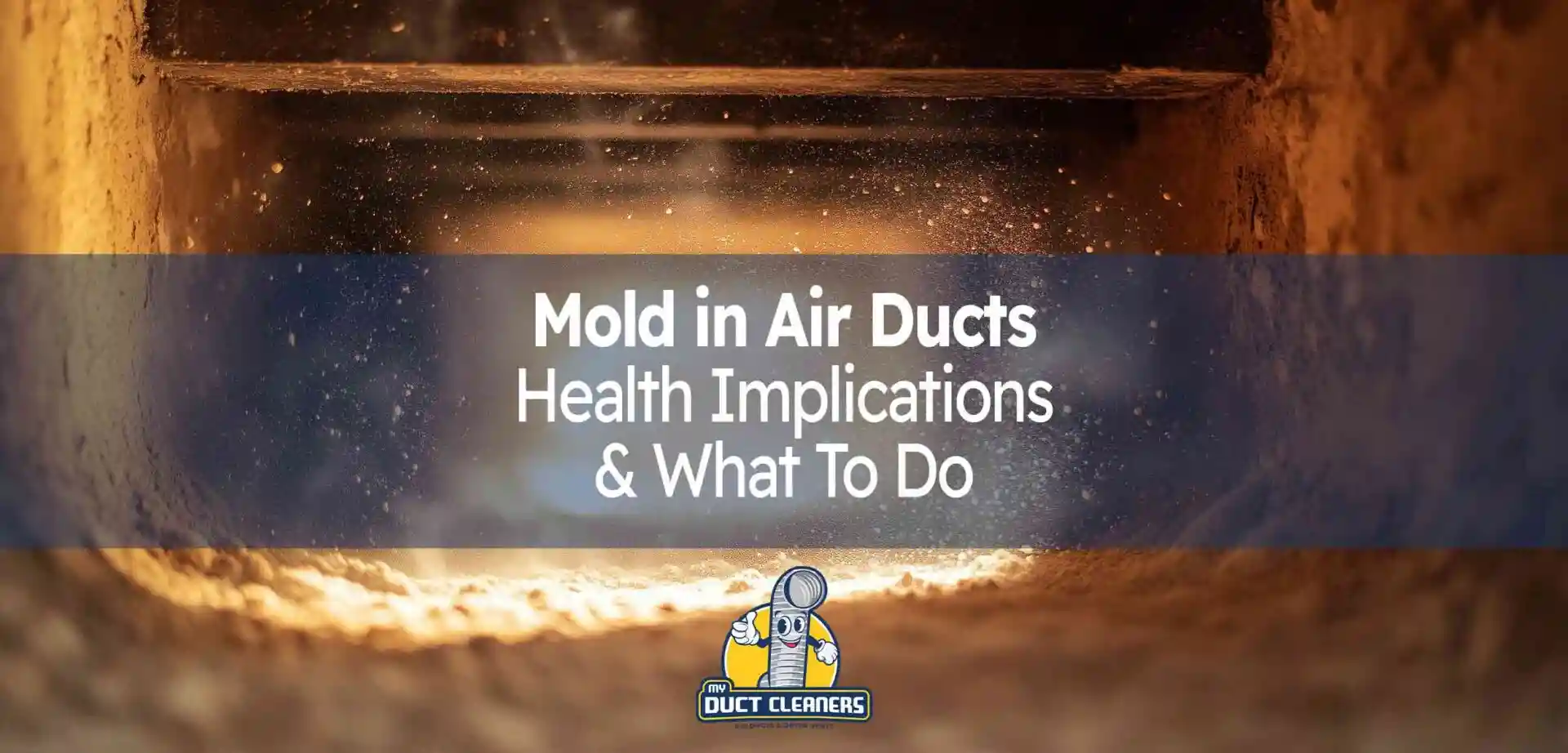
– Mold is visible on rigid duct surfaces or major HVAC parts.
– Vermin infestation is detected.
– Excessive dust and debris release particles into living or working spaces.
NADCA Certified residential air duct cleaning and commercial air duct cleaning technicians can tackle some of the toughest jobs. Are you looking for an air duct cleaner near you in the Major Metropolitan Phoenix area? Call 602-613-0640 or schedule an appointment online.
Other Important Considerations
Air duct cleaning has not been proven to directly prevent illness, although it can improve the air you breathe. It does not always significantly reduce particle levels since dust usually sticks to surfaces, but it can stop dust from blowing through your ducts. Indoor particle exposure often comes more from outdoor pollution and indoor activities. Minor dust inside ducts is normal and not linked to health risks.
The EPA emphasizes inspection and maintenance of fuel-burning appliances to prevent carbon monoxide hazards. Cleaning key HVAC components may improve system performance, while duct cleaning alone yields limited benefits.
If in doubt, consulting with professionals such as My Duct Cleaners in Phoenix Arizona or reputable duct cleaning companies ensures an informed decision.
Suggestions for Choosing a Duct Cleaning Provider
Find companies through the National Air Duct Cleaners Association (NADCA). Not all providers meet the same standards, so consult multiple firms, request written quotes, and ask for evidence of contamination requiring cleaning in your home ductwork or business ductwork.
Avoid firms that make unsupported health claims or promote routine air duct cleaning without basis. Be wary of claims about EPA certification, as the EPA neither regulates nor can they endorse are air duct cleaning services.
Check references and consult consumer protection agencies or the Better Business Bureau for reviews. Interview candidates to confirm experience with your system type, adherence to safety, cleanliness protocols, and compliance with NADCA and industry guidelines.
Some states require licensing for air duct cleaners—verify local requirements.
What to Expect From an Air Duct Cleaning Service
A professional air duct cleaning provider will:
– Create appropriate access points for full inspection and cleaning.
– Inspect for asbestos-containing materials and avoid disturbing them unless managed by qualified specialists.
– Utilize vacuum systems that exhaust outdoors or use HEPA-filtered equipment if air is recirculated indoors.
– Protect your home’s furnishings and carpets throughout the work in residential or commercial settings.
– Combine controlled agitation equipment and Negative pressure vacuuming to effectively remove particulate.
– Use agitation equipment with fiberglass-lined or sheet metal ducts, replacing flexible ducts only when needed.
– Properly seal and re-insulate access points to prevent air leaks.
– Follow NADCA and relevant industry standards for duct materials and cleaning procedures.
How to Verify Thorough Cleaning
The most reliable way to confirm cleaning is through visual inspection. Some providers use video equipment for documentation. The entire system should appear free of dust and debris. Request a post-cleaning checklist, review all components, and ask the provider to demonstrate the cleanliness of your home ductwork or business ductwork.
If any criteria remain unmet, insist on corrections before approving the work.
Preventing Air Duct Contamination
Regardless of cleaning choices, regular preventive maintenance is key to maintaining clean air ducts and healthy air in both residential and commercial environments. To minimize contamination:
– Have coils and drain pans cleaned during routine HVAC maintenance.
– Seal registers during home renovation or dusty projects and avoid running HVAC systems until cleanup is complete.
https://www.epa.gov/indoor-air-quality-iaq/what-hepa-filter– Regularly vacuum with HEPA or high-efficiency bags, acknowledging that vacuuming may briefly raise airborne dust.
– Maintain humidification devices per manufacturer instructions.
Moisture control is vital to prevent microbial growth. Effective measures include:
– Promptly repairing leaks and addressing water damage.
– Ensuring cooling coils and condensate pans properly drain and inspecting insulation for wet areas.
– Properly sealing and insulating ducts in unconditioned spaces to prevent condensation.
– Selecting HVAC units sized appropriately to manage moisture effectively.
Unresolved Issues of Air Duct Cleaning
Severe contamination situations may warrant air duct cleaning to reduce risks. Light dust accumulation is normal and may not require routine cleaning, unless there are medical or breathing issues present. Ongoing research continues to explore the benefits of air duct sanitization and air duct disinfection.
Regarding duct materials, modern residential and commercial ductwork typically use fiber glass duct board or plastic-lined flexible ducts designed and tested for performance. Though fiber glass ducts may be more susceptible to mold under moisture and dirt presence, microbial growth can affect any duct type. Mold treatment is simpler on bare metal ducts—involving cleaning and approved biocides—whereas moldy fiber glass requires replacement, aligning with industry guidance.
Moisture management remains the most critical factor to prevent microbial issues. Prevention steps include leak repair, proper drainage, humidifier maintenance, and replacing contaminated insulation. Steam cleaning and wet mopping is discouraged as it introduces moisture into ducts.
Chemical Biocides in Ducts
Currently, no EPA-registered biocides are approved for use inside fiber glass ducts; a limited number are approved for bare metal ducts. Some providers may suggest biocides or ozone treatments, though effectiveness and safety require careful consideration due to potential irritation or health concerns.
Biocides must be registered, applied strictly per federal pesticide laws and label instructions. Misuse is illegal and could worsen problems.
Before approving biocide use, ask providers for visible proof of microbial contamination and understand why physical cleaning is insufficient. Learn how moisture control will prevent further microbial growth.
If biocide application is consented to, it should be limited to cleaned, uninsulated duct areas, closely following label guidelines. Occupants may want to vacate during treatment as a precaution.
Sealants for Duct Surfaces
Sealants marketed to encapsulate duct surfaces and reduce dust release present unresolved questions about safety, effectiveness, and long-term impact. Laboratory tests show incomplete coverage when applied during system operation. Sealants may affect acoustic and fire-retardant properties and could void warranties.
Potential toxicity if ducts catch fire and durability are largely unstudied.
Major organizations such as EPA, NADCA, and NAIMA do not recommend routine use of sealants except for repairing damaged insulation or addressing fire damage. Sealants should never cover active mold or dirt and should only be applied after thorough cleaning following established industry standards.
By investing thoughtfully in professional air duct cleaning, air duct sanitization, and air duct disinfection, working with reputable companies like My Duct Cleaners in Phoenix Arizona, you can enhance your HVAC system’s efficiency and contribute positively to your indoor air quality and overall home or business comfort.
NADCA Certified residential air duct cleaning and commercial air duct cleaning technicians can tackle some of the toughest jobs. Are you looking for an air duct cleaner near you in the Major Metropolitan Phoenix area? Call 602-613-0640 or schedule an appointment online.
Frequently Asked Questions
When should you consider getting your air ducts cleaned?
What are the benefits of professional air duct cleaning?
Is air duct cleaning safe, and can it cause damage?
Are chemical biocides and sealants recommended for air duct cleaning?
How often should air ducts be cleaned?
Can air duct cleaning prevent illnesses or significantly reduce particle levels indoors?
What should consumers look for when choosing an air duct cleaning provider?
What components are typically cleaned during an air duct cleaning service?
Cleaning usually covers supply and return ducts, registers, grilles, diffusers, heat exchangers, coils, condensate pans, fan motors, housings, and air handling units.