
Breadcrumbs
These links will help you get back to where you want to go faster.
Preparing Your Air Ducts After Summer
The Essential Guide for Phoenix Homes and Businesses
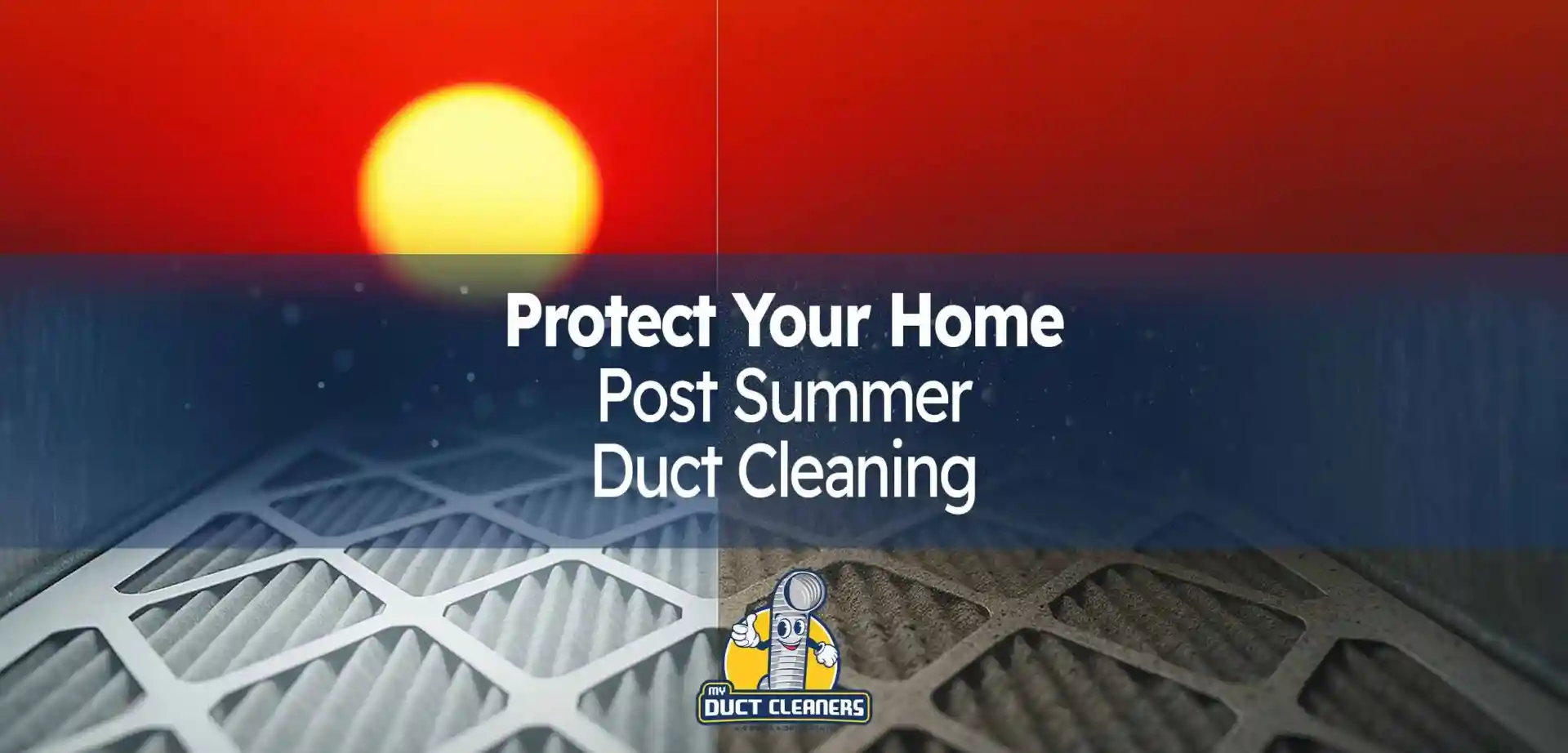
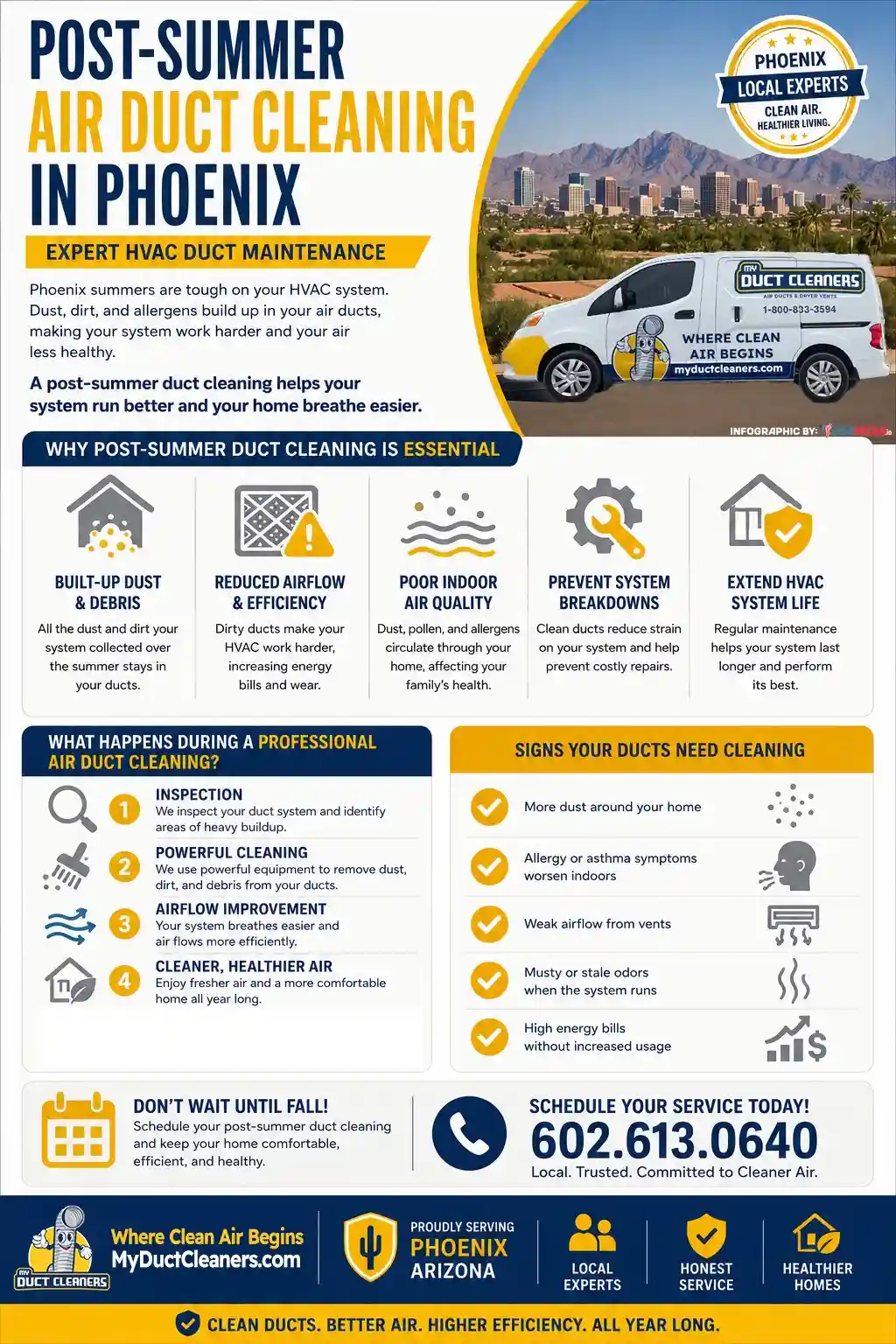
Phoenix summers push HVAC systems to their limits, leaving behind hidden challenges for indoor air quality and energy efficiency. The combination of intense heat, debilitating dust storms, and monsoon humidity creates a complex environment that takes a toll on your air ducts. As the Valley transitions from summer to fall, proactive duct maintenance becomes critical to protect your HVAC investment, breathe cleaner air, and reduce soaring energy costs.
Whether you manage a single-family home in Arcadia or oversee a large commercial property in Downtown Phoenix, understanding the science behind post-summer duct degradation and acting promptly can save you headaches, money, and health issues. This comprehensive guide outlines everything Phoenix property owners need to know about preparing air ducts after summer and before the cooler months arrive.
NADCA Certified residential air duct cleaning and commercial air duct cleaning technicians can tackle some of the toughest jobs. Are you looking for an air duct cleaner near you in the Major Metropolitan Phoenix area? Call 602-613-0640 or schedule an appointment online.
What you will learn in this article:
– Phoenix summers bring extreme heat, dust storms, and humidity that damage air ducts. Heat weakens duct seals, while dust storms embed fine particles deep inside, bypassing filters.
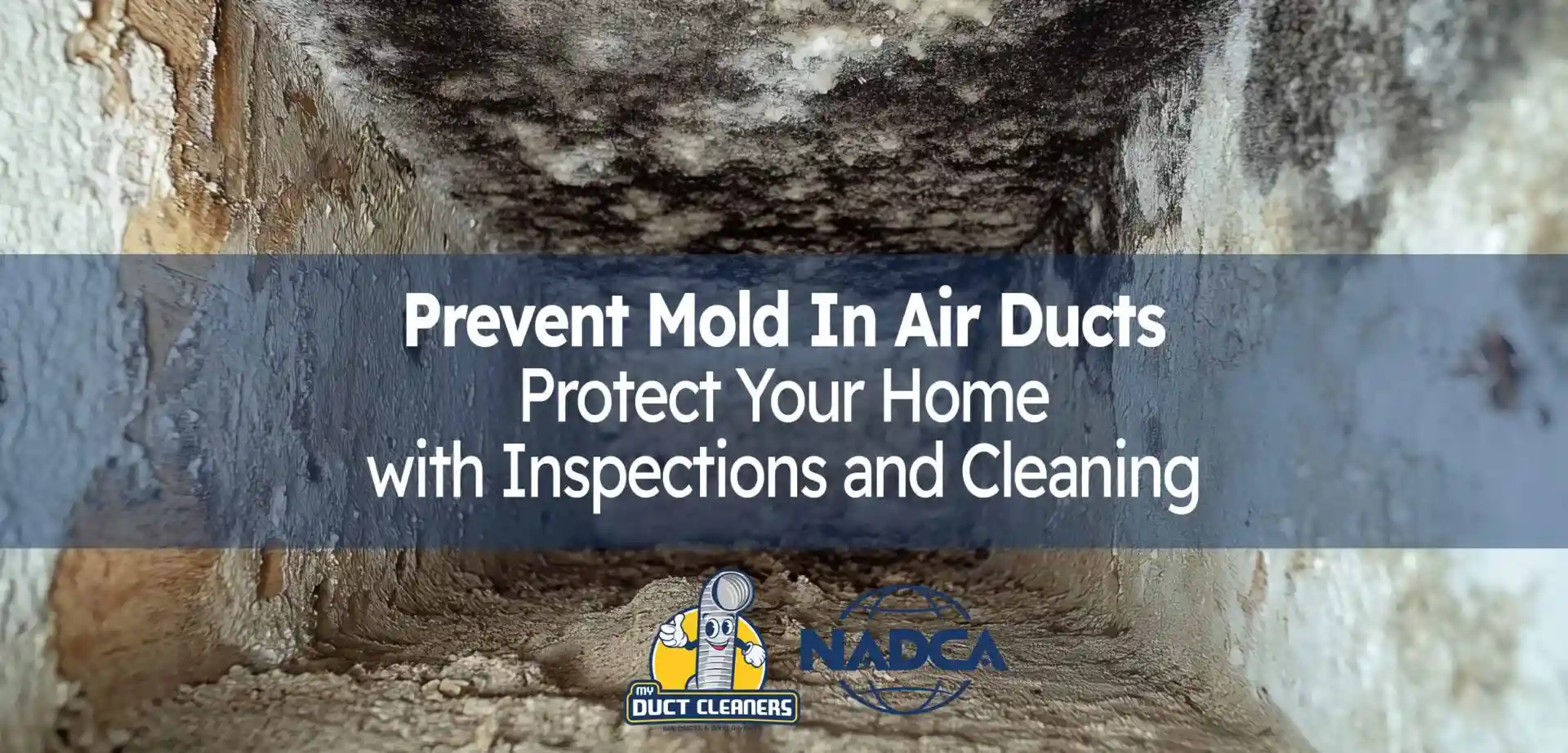
– Monsoon moisture and continuous AC use can cause mold and dust growth in ducts, posing health risks and reducing HVAC efficiency. This increases energy costs by 15%-25% and shortens equipment lifespan.
– Commercial owners should coordinate cleaning during slow periods, maintain compliance records, evaluate entire systems, and track cost savings and productivity improvements.
– Warning signs for immediate duct attention include musty odors, visible dust from vents, uneven room temperatures, high energy bills, worsening allergies, recurring dust buildup, water stains, and unusual duct noises.
– Selecting a qualified duct cleaning service requires checking for NADCA compliance, local experience, transparent pricing, references, and proper handling of chemicals and materials.
– Benefits of post-summer duct maintenance include lower energy bills, improved indoor air quality, extended HVAC lifespan, fewer emergency repairs, and peace of mind.
– Recommended post-summer maintenance timeline: August–September: Schedule an inspections and obtain quote from My Duct Cleaners, LLC. Mid-September: Complete cleaning, fix moisture issues, and upgrade filters. Late September–October: Verify cleaning quality, schedule HVAC tune-ups, and monitor humidity.
Understanding the Impact of Phoenix Summers on Air Ducts
The Unique Environmental Challenges in Phoenix
Phoenix experiences a distinct climate cocktail that aggressively damages HVAC duct systems each summer. Temperatures regularly soar above 110°F, placing intense thermal stress on duct seals and insulation. At the same time, frequent dust storms, especially haboobs, introduce fine, microscopic particles that penetrate beyond filters, embedding deep inside your ductwork.
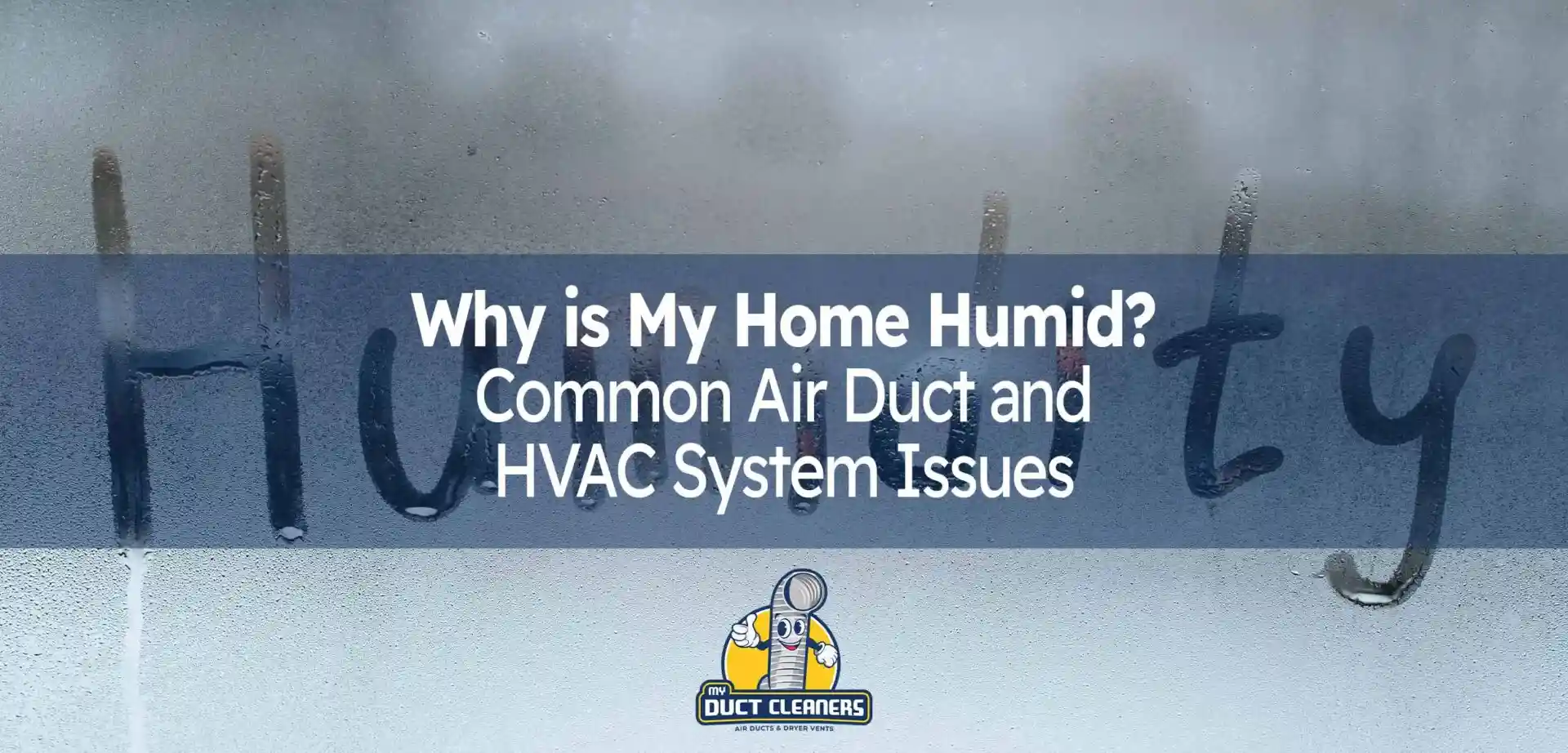
Monsoon moisture adds another layer of complexity by raising indoor relative humidity to 50%-70%, creating a perfect environment for mold growth within a day or two. Continuous air conditioner operation circulates debris rapidly, worsening duct contamination. Furthermore, Arizona’s erratic rainfall leaves dust layers sitting longer than usual, intensifying infiltration risks.
| Challenge | Effect on Ducts | Why It Matters |
|---|---|---|
| Extreme Heat (100-120°F) | Thermal stress causes cracks and seal degradation | Expanding leaks allow more dust infiltration |
| Monsoon Dust Storms | Fine dust bypasses filters, accumulates inside ducts | Restricted airflow and increased allergens |
| High Humidity & Condensation | Moisture buildup promotes mold growth | Mold can develop within 24-48 hours |
| Continuous AC Operation | Debris circulates and embeds in duct surfaces | Long-term contamination and odor issues |
| Uneven Rainfall (2026) | Dust settles, not rinsed away properly | Greater dust accumulation inside homes and ducts |
The Hidden Health Hazards Hiding Within Your Ductwork
Behind the walls of your home or business, dust and pollutants accumulated over the summer can trigger serious health problems. Research from Arizona State University and the University of Arizona highlights how Phoenix’s combination of extreme heat and air pollution increases respiratory and cardiovascular risks. A study by USC’s Keck School of Medicine emphasizes that heat plus poor air quality worsens health outcomes—an everyday reality in the Valley.
Persistent dust infiltrates ducts through outdoor units, leaks, and poorly sealed joints. This dust becomes a breeding ground for mold spores—fungi that thrive on warmth, moisture, and organic material. Mold in HVAC systems can circulate spores throughout a building, exacerbating allergy symptoms, asthma, and illness, while also creating compliance liabilities for commercial properties.
Why Post-Summer Duct Cleaning Is a Must in Phoenix
The Cost of Neglect: Energy Loss and Air Quality Decline
Dirty ducts don’t just impact your health—they force your HVAC system to work harder and more inefficiently. Dust, pollen, and debris clogs narrow airflow pathways, increasing static pressure inside ducts. This makes blower motors consume 15%-25% more energy to maintain comfortable temperatures, inflating utility bills, and shortening equipment lifespan.
Commercial building owners know that multiply those costs across several properties and you face a significant operational expense. Moreover, densely contaminated ducts contribute to “Sick Building Syndrome,” lowering occupant productivity and increasing sick days.
Fall: The Ideal Time for Duct Maintenance
Early fall, particularly September and early October, offers the perfect window for thorough duct cleaning and inspections. With cooler outdoor temperatures and reduced AC demand, you avoid disruptions typical during peak summer months. Addressing duct leaks and contamination now prevents further damage and mold spread during the wetter winter months.

Additionally, fall cleaning sidesteps the hectic winter HVAC servicing period, allowing your system to start the heating season with cleaner air and improved efficiency.
What Professional Duct Cleaning Accomplishes
Professional cleaning removes hidden contaminants that filter replacements miss, especially deep dust, mold spores, allergens, and debris. Experts clean main trunks, supply and return ducts, air handler units, registers, and grilles in full compliance with National Air Duct Cleaners Association (NADCA) standards—ensuring no area remains overlooked.
EPA guidelines affirm that duct cleaning is a valid health intervention when contamination reaches harmful levels, a situation common after Phoenix’s summer conditions.
The Science Behind Effective Post-Summer Duct Maintenance
Controlling Moisture to Prevent Mold
Moisture management is the cornerstone of preventing mold regrowth in duct systems. According to EPA and ASHRAE research, keeping duct interiors dry prevents fungal colonies and bacterial proliferation.
After summer, technicians should inspect condensate drain pans and lines for blockages, confirm proper duct insulation to avoid condensation buildup, and locate leaks permitting humid outdoor air infiltration. Cleaning evaporator coils and ensuring free drainage of moisture from the system are also critical.
Filters Are Not Enough
While regular air filter changes every 30 to 90 days are necessary, they only capture surface contaminants. The desert dust and monsoon moisture of Phoenix attach stubbornly to duct walls and settle in low-airflow zones, evading filtration entirely.
Professional duct cleaning targets this embedded contamination—akin to vacuuming carpets rather than merely sweeping dust off the floor.
Step-by-Step Post-Summer Duct Preparation for Phoenix Property Owners
For Residential Property Owners
- Schedule a Professional Inspection (Early September): Certified HVAC technicians should assess for dust buildup, signs of mold, leaks, and insulation deterioration. Many Phoenix companies offer affordable inspections to establish a maintenance baseline.
- Comprehensive Duct Cleaning: Clean trunk lines, branch ducts, return plenums, registers, grilles, and air handlers following NADCA standards to eliminate deep contaminants.
- Address Moisture and Sealing Issues: Seal leaks using mastic or metallic tape (avoid duct tape), and ensure ducts in attics or crawlspaces are insulated properly to prevent condensation.
- Upgrade Air Filtration (Optional but Recommended): Upgrade from 1-inch fiberglass filters to pleated MERV 8-11 or higher filters, improving dust capture and reducing system load.
- Plan Ongoing Maintenance: Monitor filters monthly during peak seasons, schedule tune-ups pre-summer and winter, maintain indoor relative humidity below 50%, and promptly resolve moisture or mold issues.
For Commercial Property Owners
- Strategic Scheduling: Coordinate cleaning during slower business periods and prioritize sensitive or high-traffic zones like medical offices or food prep areas.
- Compliance Documentation: Maintain health code compliance with documented cleaning records, especially for healthcare and food-service buildings.
- System-Wide Evaluation: Inspect outdoor units for coil fouling, assess multiple air handlers, and consider commissioning to optimize post-summer efficiency.
- Cost and Productivity Tracking: Measure utility savings pre- and post-cleaning; note reduced sick days and increased employee productivity.
Arizona-Specific Factors Affecting Post-Summer Duct Care
The 2026 Monsoon Anomaly
Unlike typical patterns where dust storms are quickly followed by cleansing rains, this year’s irregular monsoon rainfall left dust settled longer on surfaces. This prolonged dust exposure increases duct contamination severity, requiring more extensive cleaning efforts than usual.
Haboobs and Dust Storm Infiltration
Haboobs—gigantic walls of dust sweeping across Phoenix—carry dense clouds of microscopic pollutants, spores, and bacteria that standard filters cannot handle effectively. If your property endured these storms, it’s crucial to schedule cleaning immediately to remove deeply embedded dust.
The Urban Heat Island Effect
Research from Arizona State University shows urban heat islands raise valley temperatures by over 4°F in some areas. This amplified heat exacerbates thermal stress on duct materials, accelerating seal failures and introducing new leaks requiring inspection and repair.
Warning Signs You Need Immediate Duct Attention
- Persistent musty odors when the AC or heating runs, indicating possible mold presence.
- Visible dust clouds erupting from vents upon system startup.
- Uneven temperature distribution across rooms, signaling duct leaks or blockages.
- Unusually high energy bills disproportionate to weather or system usage.
- Indoor allergy symptoms increasing despite medication.
- Dust buildup around vents reappearing within days after cleaning.
- Water stains or discoloration inside accessible ducts.
- Unexplained duct noises like whistling, rattling, or grinding.

Any of these symptoms justify a professional duct system evaluation without delay.
Choosing the Right Duct Cleaning Service in Phoenix
Not all duct cleaners deliver the thorough, scientifically sound service Phoenix’s climate demands. The EPA advises skepticism toward companies that make grand health claims or push routine cleaning without evidence of contamination.
When selecting a provider, ensure they:
- Follow NADCA industry standards for comprehensive cleaning.
- Have demonstrated experience with Phoenix’s unique climate and dust challenges.
- Provide transparent estimates and a clear scope of work.
- Offer references—especially for commercial clients, where liability and compliance are at stake.
- Avoid unproven chemical biocides and improperly handle fiberglass ductboard materials.
The Long-Term Benefits of Post-Summer Duct Maintenance
| Benefit | Residential Impact | Commercial Impact |
|---|---|---|
| Lower Energy Costs | 10-15% reduction in utility bills | Significant savings across multiple buildings |
| Improved Air Quality | Reduced allergies, better sleep, fewer respiratory issues | Decreased sick days, enhanced employee productivity |
| Extended HVAC Lifespan | Systems last 3-5 years longer | Delays costly equipment replacements |
| Fewer Emergency Repairs | Prevents mid-winter breakdowns | Eliminates urgent HVAC calls during peak seasons |
| Peace of Mind | Confidence in indoor air safety for your family | Safe environment and reduced liability for occupants |
Taking Action: Your Post-Summer Duct Maintenance Timeline
Now (August–September)
- Schedule a professional duct inspection with a qualified local company.
- Document any visible contamination, odors, or irregularities.
- Obtain written quotes and compare services carefully.
Mid-September
- Complete full system cleaning and evaluation.
- Fix moisture problems and seal leaks.
- Upgrade filters if recommended.
Late September–October
- Verify cleaning thoroughness by checking duct interiors where possible.
- Schedule HVAC tune-up ahead of winter heating demands.
- Monitor humidity and system performance regularly.
Ongoing Maintenance
- Check and replace filters monthly during peak seasons.
- Arrange professional tune-ups annually before summer and winter.
- Address any new moisture, mold, or duct performance issues promptly.
Conclusion: Protect Your Phoenix Property with Expert Post-Summer Duct Care
The extreme heat, dust storms, and monsoon moisture unique to Phoenix summers create hidden indoor air quality and system efficiency challenges that worsen if left unaddressed. Ignoring these issues means risking mold contamination, elevated energy bills, and costly HVAC repairs throughout fall and winter.
Acting early—through professional inspection, deep cleaning, moisture control, and ongoing maintenance—ensures your duct system delivers healthy air, reliable comfort, and energy savings year-round.

My Duct Cleaners, LLC combines local expertise with rigorous industry standards to tackle Phoenix’s toughest post-summer duct challenges. Equipped with advanced tools and a proven process, their technicians restore airflow and safeguard your indoor environment for the months ahead.
Don’t let summer’s toll linger. Contact My Duct Cleaners, LLC today to schedule your comprehensive post-summer duct inspection and cleaning—and breathe easier tomorrow.
NADCA Certified residential air duct cleaning and commercial air duct cleaning technicians can tackle some of the toughest jobs. Are you looking for an air duct cleaner near you in the Major Metropolitan Phoenix area? Call 602-613-0640 or schedule an appointment online.