
Breadcrumbs
These links will help you get back to where you want to go faster.
Suspect Mold Growth?
Why Regular Air Duct Inspections Are Crucial for a Healthy Home
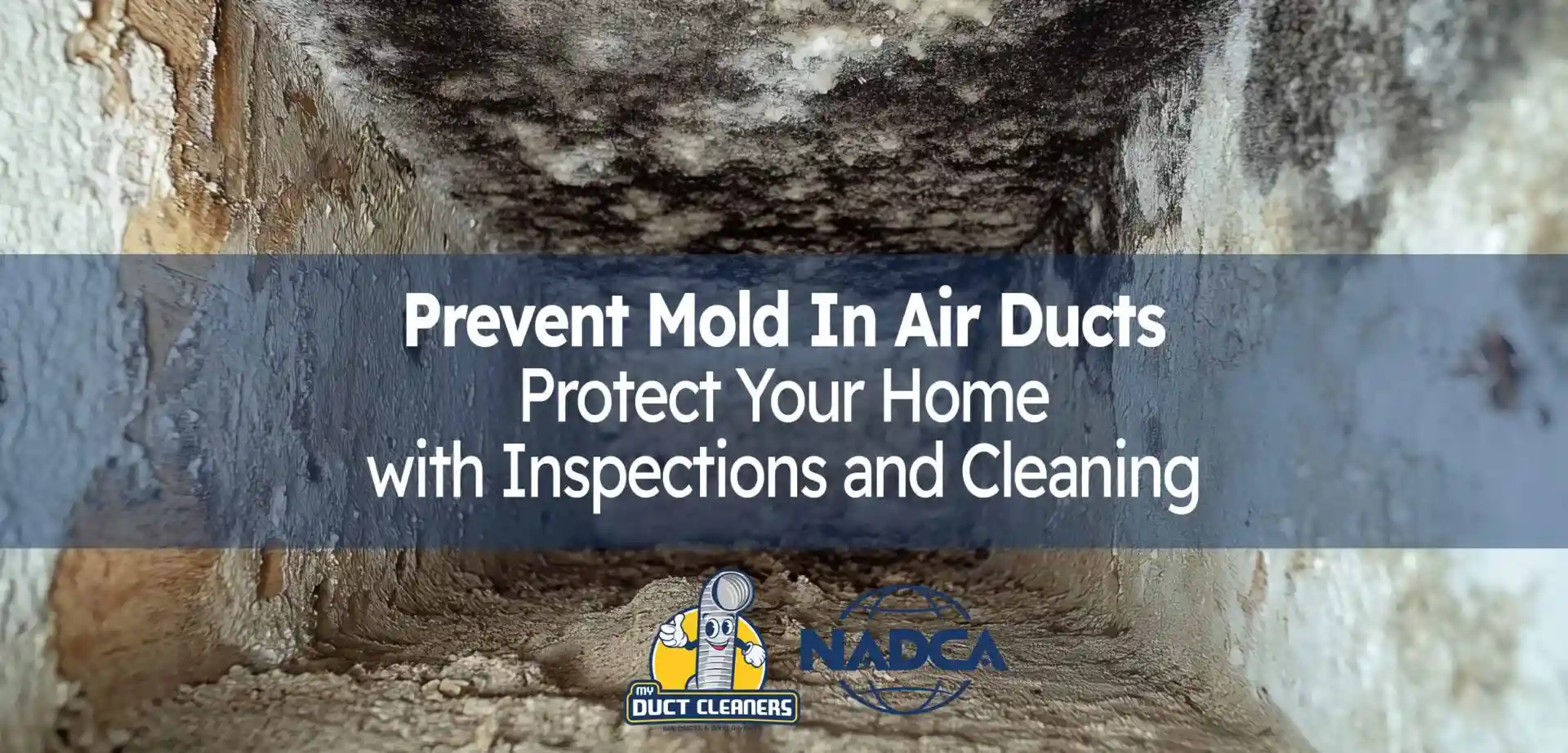
Mold is a pervasive indoor hazard that often goes unnoticed until it impacts your health or property. While it naturally occurs outdoors, its intrusion into your living environment can trigger serious respiratory issues, allergic reactions, and structural damage. Many homeowners miss early warning signs because mold hides in inconspicuous locations or resembles ordinary dirt. This in-depth guide demystifies mold’s nature, explains why air ducts play a vital role in its spread, and offers practical solutions to safeguard your home and family.
NADCA Certified residential air duct cleaning and commercial air duct cleaning technicians can tackle some of the toughest jobs. Are you looking for an air duct cleaner near you in the Major Metropolitan Phoenix area? Call 602-613-0640 or schedule an appointment online.
What you will learn in this article:
– Mold is a common indoor hazard that often goes unnoticed and can cause respiratory issues, allergic reactions, and structural damage.
– Mold thrives on moisture, growing on damp surfaces caused by leaks, condensation, and high humidity.
– Controlling moisture is essential to prevent mold growth; professional help can identify hidden moisture problems.
– Mold releases harmful mycotoxins and volatile compounds that negatively affect indoor air quality and health, especially for vulnerable groups like children, elderly, and those with respiratory conditions.
– Mold inside HVAC air ducts is particularly dangerous as it can spread spores throughout the home without being visible.
– Early signs of mold include fuzzy or patchy growths in various colors, musty odors, and common mold-prone areas such as basements, under sinks, showers, behind refrigerators, and air conditioning units.
– Air ducts are often overlooked mold hotspots due to hidden moisture accumulation from condensation or leaks.
– Regular inspections and cleaning of air ducts by certified NADCA professional like My Duct Cleaners, LLC. will help eliminate mold and improve air quality.
– Preventive strategies include timely repair of leaks, drying wet areas quickly, improving ventilation with exhaust fans and open windows, maintaining indoor humidity below 50% with dehumidifiers, and scheduling routine professional air duct cleaning.
Understanding Mold: What It Is and How It Thrives Indoors
Mold is a type of fungus composed of microscopic spores that exist almost everywhere. These spores float invisibly through the air and only become problematic when they settle on damp surfaces. Common indoor moisture sources—such as leaks, condensation, and high humidity—create ideal conditions for mold to grow. Once established, mold colonies release additional spores into your home, perpetuating contamination and potentially damaging walls, ceilings, and furnishings.
Moisture is the fundamental catalyst for mold proliferation. Without persistent dampness, mold cannot sustain itself or spread. This makes moisture control the cornerstone of any effective mold prevention strategy. Partnering with trusted professionals like My Duct Cleaners, LLC can help identify hidden moisture problems before mold takes hold.
The Hidden Health Hazards of Mold in Your Home
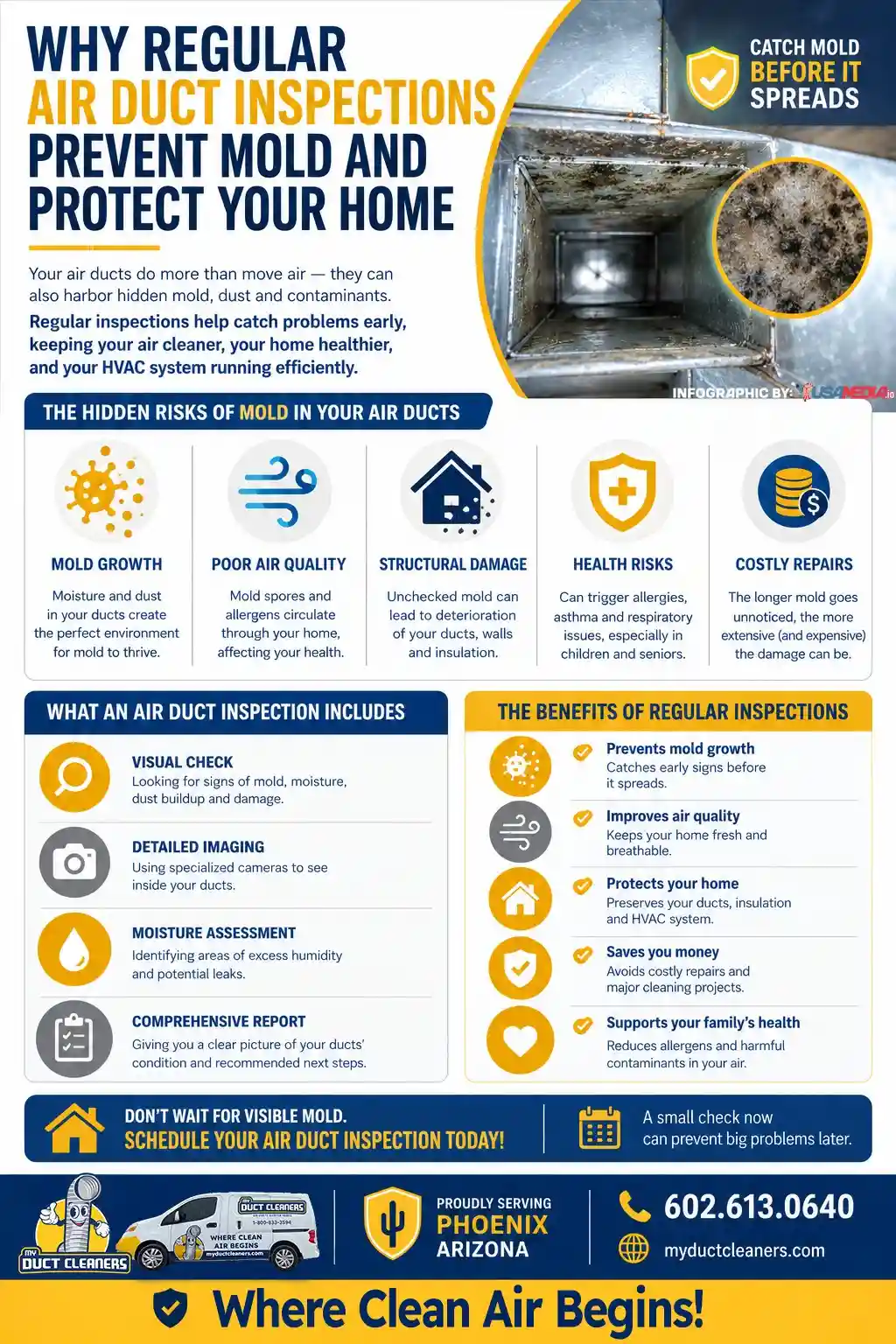
Indoor air quality directly shapes our health, given that most people spend up to 90% of their time indoors. Mold growth releases mycotoxins and microbial volatile organic compounds (MVOCs), which compromise breathing and trigger allergic responses. Sensitive populations—such as children, the elderly, and those with asthma or weakened immune systems—are especially vulnerable to these airborne pollutants.
Even healthy adults can suffer symptoms from prolonged mold exposure. Headaches, fatigue, and irritation of the eyes, nose, and throat are common among those breathing mold-contaminated air. Regular maintenance and thorough cleaning of air ducts by certified specialists, like those at My Duct Cleaners, LLC, reduce airborne mold spores and improve overall family well-being.
Why Mold Growth Inside Air Ducts Is a Critical Concern
Your home’s HVAC air ducts operate like the lungs of your indoor space. Air is circulated multiple times—five to seven times daily—through ductwork, distributing heated or cooled air to every room. If mold develops inside these hidden pathways, spores can rapidly disperse throughout your entire home.

This concealed mold often eludes detection because it lives out of sight. Unlike obvious mold patches on walls or ceilings, mold inside ducts can silently pollute indoor air over long periods. Comprehensive air duct inspections and cleaning by NADCA-certified professionals help eradicate these unseen contaminants, improving air quality and comfort.
Identifying Mold: Visual and Sensory Clues to Watch For
Visible Mold Patches
Mold often appears as fuzzy or patchy growths in shades of green, black, or white. These spots may be mistaken for dirt, mildew, or soot—especially in inaccessible corners or confined spaces. Regularly inspecting common trouble areas can help you catch mold growth before it becomes widespread.
Musty and Earthy Odors
A distinctive musty smell is one of the earliest indicators of hidden mold. This odor comes from MVOCs, the volatile compounds mold releases as it metabolizes organic matter. If your home has a persistent earthy scent without visible mold, a thorough investigation is warranted.
Common Mold-Prone Areas in Your Home
- Basements, attics, and garages: These often damp, poorly ventilated spaces foster mold growth.
- Under sinks in kitchens and bathrooms: Leaking pipes provide moisture for fungi to flourish.
- Showers and bathtubs: Constant water exposure encourages mold development.
- Behind refrigerators: Moisture near water dispensers can create breeding grounds.
- Air conditioning units and ducts: Condensation buildup fosters mold colonies.
- Around windows and wallboards: Leaks or poor sealing cause dampness conducive to mold.
Air Ducts: The Often-Overlooked Mold Hotspot
Moisture accumulation in HVAC systems—due to condensation or leaks—provides perfect conditions for mold growth inside air ducts. Because ducts are concealed, the mold they harbor can disseminate spores unnoticed throughout your home. This invisible threat undermines air quality and jeopardizes your family’s health.
Engaging professionals like My Duct Cleaners, LLC for regular inspections and cleaning ensures thorough removal of mold and contaminants. This proactive maintenance prevents recurrence, enhances HVAC efficiency, and contributes to a fresher, healthier indoor environment.
Proven Strategies for Preventing Mold Growth
Effective Moisture Control Is the First Line of Defense
Preventing mold hinges on minimizing indoor moisture. Promptly repairing leaks in plumbing, roofing, or windows stops water intrusion before mold develops. It is imperative to dry wet areas within 24 to 48 hours following water damage to interrupt mold’s life cycle.
Optimize Home Ventilation to Reduce Humidity
Proper air circulation lowers humidity, discouraging mold-friendly environments. Install and regularly use exhaust fans in high-moisture zones like kitchens and bathrooms. Opening windows when weather permits also promotes air exchange and moisture evaporation.
Manage Indoor Humidity with Dehumidifiers
Maintaining relative humidity below 50% dramatically reduces mold risk. In humid climates or poorly ventilated homes, dehumidifiers are invaluable for controlling moisture levels consistently.
Regular Professional Inspection and Cleaning of Air Ducts
Scheduling routine air duct cleaning by NADCA-certified technicians is essential for mold prevention. These experts safely remove mold colonies, dust, and allergens without damaging your HVAC system. Clean ducts not only improve air quality but also enhance system performance, leading to potential energy savings.
Staying Vigilant to Maintain a Mold-Free Home
Mold’s insidious nature—especially when it invades concealed places like air ducts—demands ongoing vigilance and proactive management. Understanding mold’s biology, recognizing its warning signs, and taking swift action to control moisture are critical to protecting indoor air quality, family health, and property integrity.
By partnering with experienced professionals such as My Duct Cleaners, LLC, who specialize in thorough air duct inspections and cleaning, you strengthen your home’s defenses. Their expertise complements moisture control measures to significantly reduce mold-related risks.
Ultimately, a comprehensive mold management strategy—combining regular inspections, expert services, and smart home maintenance—is your best safeguard against this hidden indoor threat. Stay alert, address moisture promptly, and invest in professional care to enjoy a clean, safe, and comfortable living environment.
NADCA Certified residential air duct cleaning and commercial air duct cleaning technicians can tackle some of the toughest jobs. Are you looking for an air duct cleaner near you in the Major Metropolitan Phoenix area? Call 602-613-0640 or schedule an appointment online.