
Breadcrumbs
These links will help you get back to where you want to go faster.
Negative Pressure Duct Cleaning: Essential Insights for Phoenix Homeowners and Businesses
The Hidden Importance of Clean Air Ducts
Your home’s HVAC ducts are the unseen arteries that keep your indoor environment fresh, comfortable, and healthy. Yet most property owners rarely consider what accumulates deep within these systems. In Phoenix, where desert dust, pollen, and ongoing construction activity pose unique challenges, maintaining clean ducts is more critical than ever. Conventional surface cleaning—wiping grilles and vents—simply doesn’t address contamination lodged far inside trunk lines and air handling components.
Negative pressure duct cleaning offers a professional, industry-recognized solution designed to remove dust, debris, and microbial contaminants thoroughly and safely. Following rigorous standards set by the National Air Duct Cleaners Association (NADCA), this method not only restores indoor air quality but also optimizes HVAC efficiency and longevity.
NADCA Certified residential air duct cleaning and commercial air duct cleaning technicians can tackle some of the toughest jobs. Are you looking for an air duct cleaner near you in the Major Metropolitan Phoenix area? Call 602-613-0640 or schedule an appointment online.
What you will learn in this article:
– Negative pressure duct cleaning is a professional maintenance method that uses controlled vacuum suction to thoroughly remove dust, debris, and microbial contaminants from the entire duct system.
– This method follows National Air Duct Cleaners Association (NADCA) standards, combining agitation tools to dislodge particles and HEPA-filtered negative pressure vacuums to extract contaminants without redistributing them indoors.
– Phoenix’s unique environment—with desert dust, pollen, construction debris, and frequent use of air conditioning—creates a greater need for deep, effective duct cleaning to maintain indoor air quality and HVAC efficiency.
– Benefits of negative pressure duct cleaning include improved air quality, increased energy efficiency, extended HVAC equipment lifespan, and prevention of health issues linked to allergens and mold.
– Ideal times for scheduling cleaning include after home renovations, when pest evidence is found, when visible debris or musty odors appear, if airflow is weak due to dust buildup, or after 3-5 years depending on home factors.
Understanding Negative Pressure Duct Cleaning
What Is Negative Pressure Duct Cleaning?
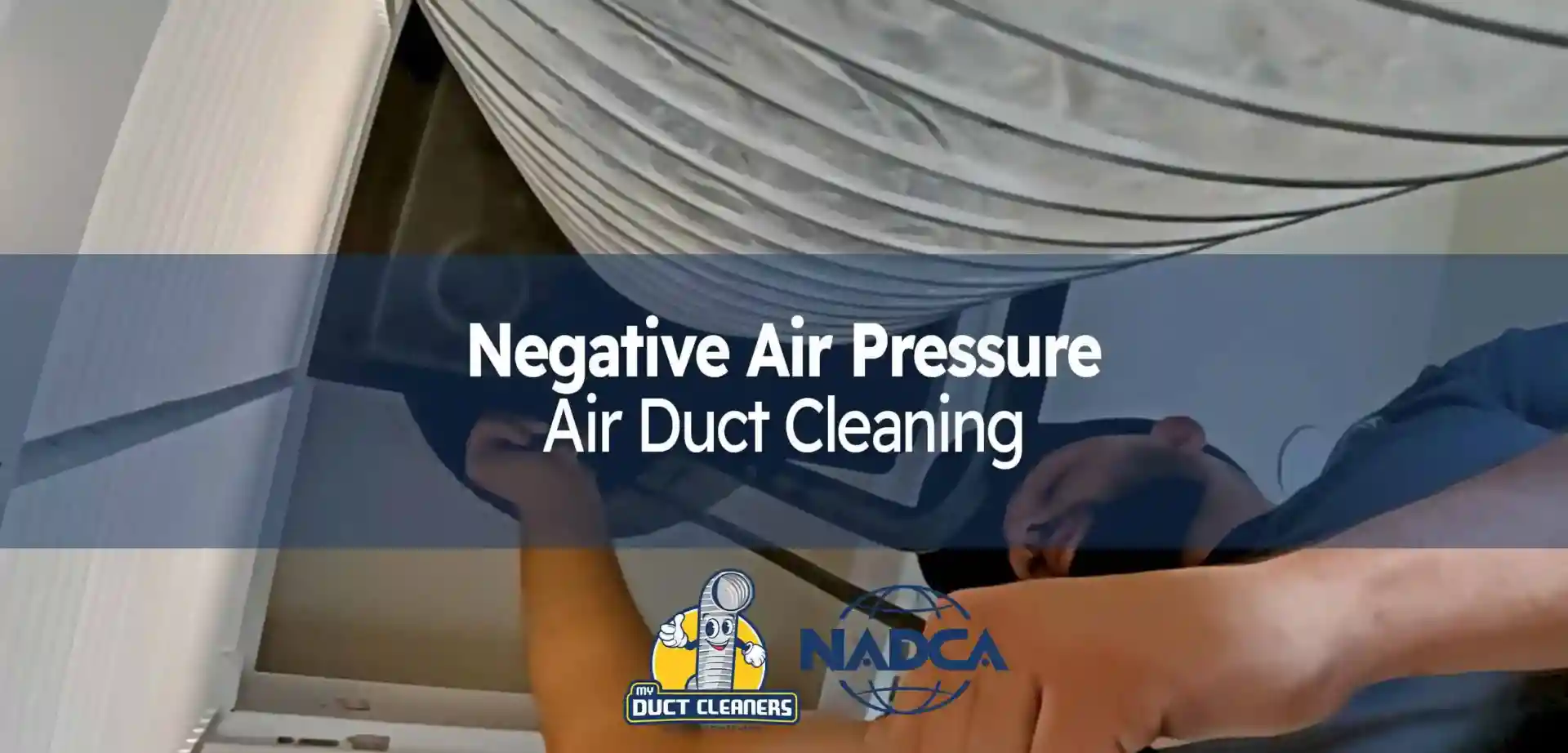
At its core, negative pressure duct cleaning is a source-removal technique that uses controlled vacuum conditions throughout your entire HVAC system. Unlike rudimentary methods that merely blow dust around or push debris deeper into ductwork, this approach creates a continuous suction that captures and contains contaminants from all interior surfaces.
NADCA guidelines define professional duct cleaning as a two-part process combining agitation and negative pressure extraction. Agitation tools physically dislodge accumulated particles, while the negative pressure vacuum extracts them, preventing recontamination of your living or working environment.
How Does Negative Pressure Duct Cleaning Work?
The process involves sophisticated equipment and coordinated steps to ensure thorough cleaning without damage. Technicians connect a high-capacity, professional-grade vacuum directly to your main supply or return trunk lines—not just small hoses at vent openings. Registers are sealed or carefully managed to maintain consistent negative pressure throughout the duct network.
Specialized agitation tools tailored to your duct type—such as rotary brushes for metal ducts, air whips for hard-to-reach debris, or gentle instruments for flexible ducts—work to loosen dirt and microorganisms safely. As particles are dislodged, the negative pressure HEPA system instantly pulls them toward sealed HEPA-filtered collection units.
This orchestrated approach prevents dust from simply moving around inside your HVAC system or dispersing back into your indoor air. Instead, contaminants are permanently removed during the service.
Why Negative Pressure Duct Cleaning Is Crucial in Phoenix
Unique Environmental Challenges in the Valley
Phoenix’s climate and environmental conditions place extra demands on HVAC systems and indoor air quality. The region’s relentless desert dust, frequent haboob storms, and abundant construction activity deposit fine silt, drywall dust, and pollen deep inside ductwork.
Year-round air conditioning use also produces condensation around cooling coils, creating ideal conditions for mold and microbial growth when combined with dust accumulation. These factors not only degrade air quality but also force HVAC units to work harder, increasing energy consumption and operating costs.
Benefits of Professional Negative Pressure Cleaning
- Improved indoor air quality: Effectively removes allergens, dust, and microbial contaminants that otherwise circulate continuously.
- Enhanced energy efficiency: Clean ducts and coils restore proper airflow, reducing strain on your HVAC system.
- Extended equipment lifespan: Minimizes wear on critical components through maintenance of clean, unobstructed airflow paths.
- Prevention of health issues: Reduces potential respiratory irritants and mold exposure inside your home or workplace.
When to Schedule Negative Pressure Air Duct Cleaning
Not every dusty home requires immediate duct cleaning, but there are clear indicators when professional intervention is necessary. Some of the most common and critical scenarios include:
- After renovations or construction: Debris such as drywall dust, insulation particles, and sawdust readily infiltrate ducts during home improvements.
- Signs of pests: Rodent droppings, nesting materials, or insect intrusion inside ductwork demand prompt cleaning and sanitization.
- Visible debris at registers: Dust or particles blowing out when HVAC systems operate are strong cues for deep cleaning.
- Musty odors or confirmed mold growth: These indicate microbial contamination requiring specialized removal and moisture management.
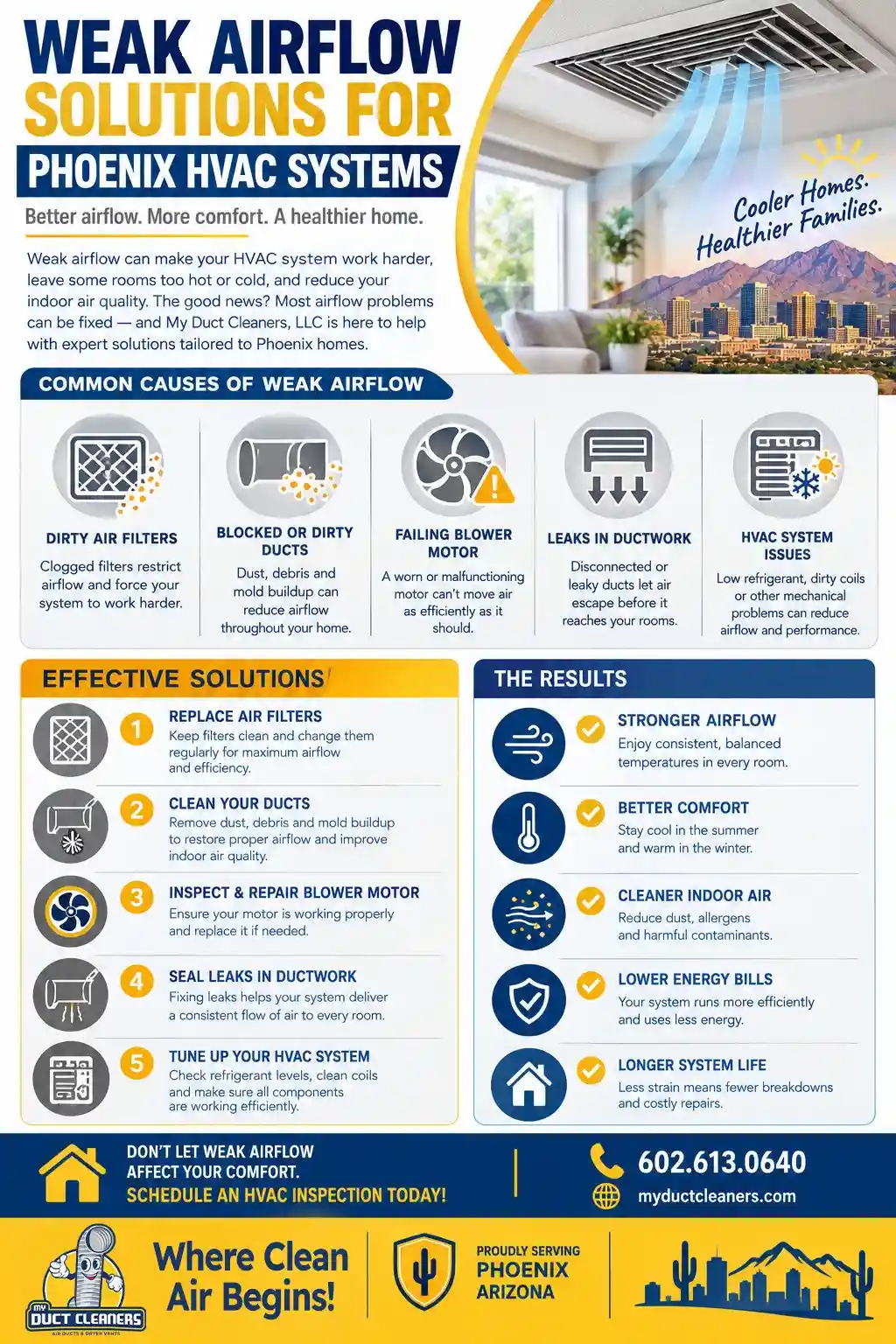
- Weak airflow related to dust buildup: Reduced ventilation efficiency can signal blocked ducts or dirty coils.
- Long intervals since last cleaning: NADCA suggests evaluations every 3 to 5 years depending on household factors like pets or allergies.
When Other Solutions Are More Appropriate
Sometimes duct cleaning isn’t the right first step. For example, if indoor air quality issues stem from inadequate filtration, blocked vents, moisture problems, or improper ventilation rather than contamination within ducts, targeted fixes should precede cleaning.
| Scenario | Recommended Action |
|---|---|
| Normal household dust without contamination | Upgrade filtration and establish regular maintenance |
| Active moisture leaks or damp materials | Repair moisture issues before scheduling cleaning |
| Weak airflow despite clean ducts | Assess and optimize ventilation design and filter condition |
| General stuffiness or airflow restriction | Evaluate thermostat settings and vent management |
Choosing the Right Negative Pressure Duct Cleaning Provider in Phoenix
Key Quality Markers
Selecting a reputable contractor ensures your cleaning is safe, effective, and transparent. Look for these essential attributes when hiring:
- Pre-Service Inspection: The company should examine your system before offering an estimate, diagnosing actual conditions and recommending cleaning only when necessary.
- Clear Explanation of Process: Technicians must describe how negative pressure will be maintained and how they protect your space during cleaning activities.
- Transparent Pricing: Expect upfront quotes that reflect the true scope of work without hidden fees or blanket pricing.
- Visible Verification: Providers should offer photo documentation or show collected debris to verify thorough removal of contaminants.
- Honest Assessment: A trustworthy company acknowledges when cleaning isn’t the right solution and can guide you toward alternatives if needed.
- Professional Credentials: Look for NADCA membership, ASCS certification, and adherence to industry standards, signaling expertise and ongoing education.
The My Duct Cleaners, LLC Difference
Serving Phoenix homeowners and businesses, My Duct Cleaners, LLC embodies the highest standards of professional duct cleaning. By strictly following NADCA protocols, we provide source-removal cleaning with properly matched agitation tools and advanced negative pressure equipment outfitted with HEPA vacuum quality filtration.
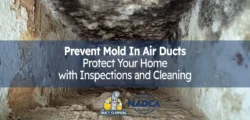
The company offers thorough pre-inspections, transparent pricing, photo documentation of results, and honest recommendations tailored to each property’s unique needs. This commitment ensures clients receive effective, reliable service that maximizes indoor air quality and HVAC performance.
Protect Your Phoenix Property with Professional Negative Pressure Duct Cleaning
Maintaining clean, contaminant-free HVAC ducts is vital for comfortable, healthy indoor environments—especially in a climate as challenging as Phoenix’s. Negative pressure duct cleaning stands out as the most effective, professionally endorsed method for thoroughly removing dust, debris, mold, and other pollutants without redistributing them into occupied spaces.
By understanding the process, knowing when to schedule cleaning, and choosing a reputable, credentialed provider like My Duct Cleaners, LLC, you safeguard your family’s or business’s health and protect your investment in your HVAC system. Don’t wait for signs of poor air quality—schedule a comprehensive inspection today and breathe easier tomorrow.
Contact My Duct Cleaners, LLC in Phoenix to receive a free inspection and upfront quote from trusted experts dedicated to clean air and efficient HVAC operation.
NADCA Certified residential air duct cleaning and commercial air duct cleaning technicians can tackle some of the toughest jobs. Are you looking for an air duct cleaner near you in the Major Metropolitan Phoenix area? Call 602-613-0640 or schedule an appointment online.