
Breadcrumbs
These links will help you get back to where you want to go faster.
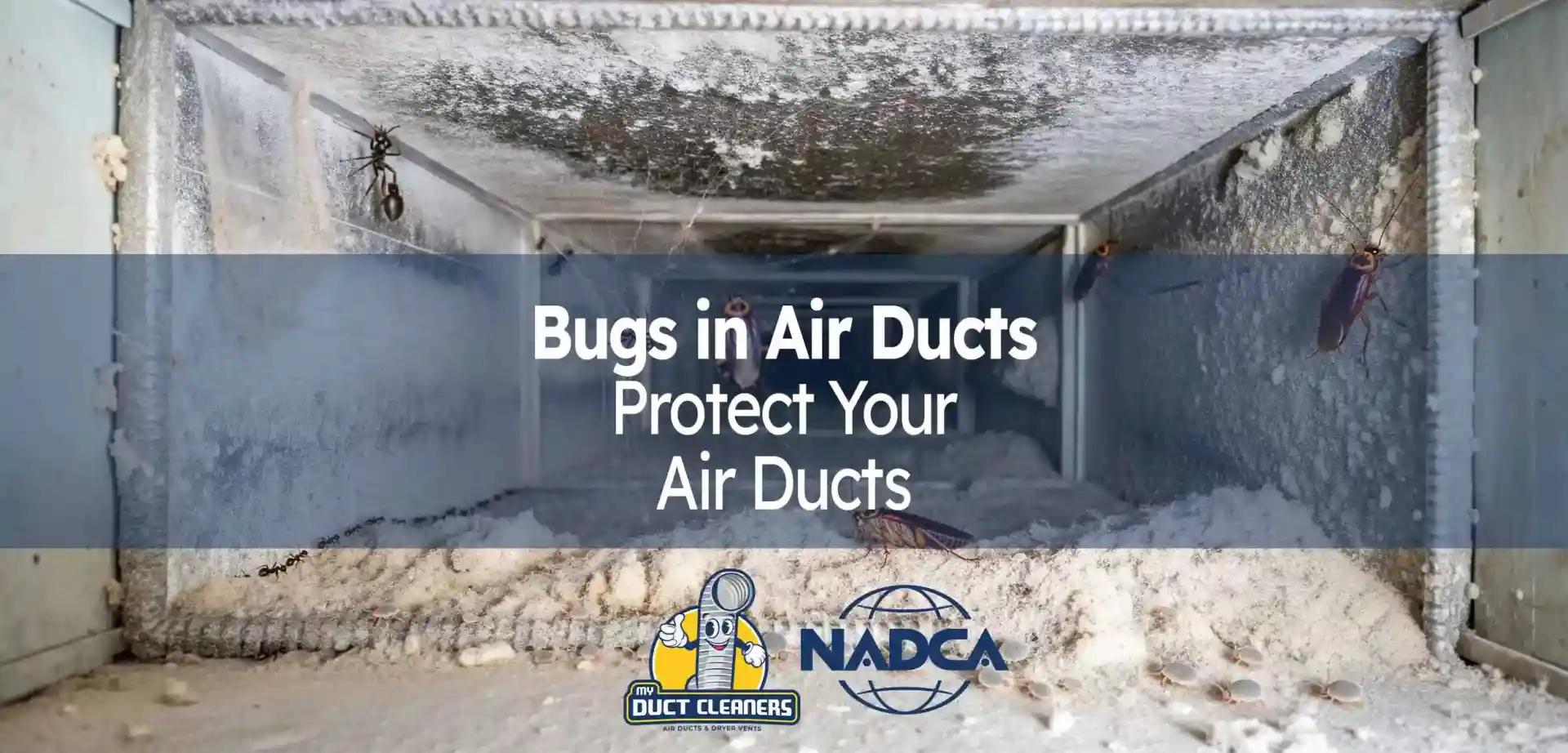
Bugs in Air Ducts
Identifying, Preventing, and Resolving Pest Infestations in HVAC System
Your HVAC system is designed to provide clean, comfortable air, but hidden pests inside your air ducts can severely compromise indoor air quality and comfort. From tiny ants to crawling insects like cockroaches, pests use ductwork as a covert highway to move through your home or business. For residents in and around Phoenix, Arizona, the unique climate and local pest challenges demand a proactive, informed approach.
At My Duct Cleaners, LLC, we specialize in helping homeowners and businesses detect, eliminate, and prevent pest infestations within their ductwork using professional standards. This comprehensive guide demystifies how bugs infiltrate HVAC systems, the risks they pose, warning signs of infestations, and best practices for remediation and prevention.
NADCA Certified residential air duct cleaning and commercial air duct cleaning technicians can tackle some of the toughest jobs. Are you looking for an air duct cleaner near you in the Major Metropolitan Phoenix area? Call 602-613-0640 or schedule an appointment online.
What you will learn in this article:
– HVAC systems can harbor various pests such as cockroaches, ants, spiders, beetles, flies, and fruit flies, which compromise indoor air quality and comfort.
– Pests often use air ducts as transit routes or temporary shelters, exploiting gaps, damaged vent covers, moisture, and unsealed joints for entry.
– Common entry points include floor vents, register gaps, damaged or missing exterior vent screens, unsealed duct sections, dryer ducts, leaks, and areas with poor airflow.
– Warning signs of infestation include pest droppings, wings, odors (musty or rotten), repeated insect sightings, nesting materials, unexplained respiratory symptoms, and visible spider webs.
– Moisture is a critical factor worsening pest problems; common moisture-prone areas include cooling coils, humidifiers, leaks, drips, and fan ducts. Managing moisture is essential to effective pest control.
– Pest infestations impact indoor air quality by spreading allergens, droppings, shed skins, nesting debris, foul odors, and potential pathogens.
– DIY pesticide sprays in air ducts are hazardous and counterproductive; professional pest control combined with NADCA-certified duct cleaning is the safest and most effective treatment.
– NADCA standards require a thorough duct cleaning process including inspection, root cause correction, contained source removal with negative pressure, and post-cleaning verification.
Common Pests Found in Air Ducts
Which Bugs Are Really Inside Your Ducts?
Air ducts provide ideal travel paths for various insects due to structural gaps, damaged vent covers, and moisture accumulation. However, most pests do not establish permanent infestations inside the ductwork itself; instead, they use the ducts as transit routes or temporary shelters.
Typical Pests in Phoenix Area Ducts
| Pest | Entry Points | Attraction Factors | Risk Level |
|---|---|---|---|
| Cockroaches | Tiny vent screen gaps, dampers, unsealed joints | Dark, moist environments; residual food particles | High – thrive in humid ducts |
| Ants | Floor vents, register gaps, duct cracks | Moisture, food crumbs | Medium – typically transient |
| Spiders | Any duct openings or gaps | Hunting other insects; seeking shelter | Low – minimal impact on air quality |
| Beetles | Loose/damaged duct sections | Attracted to debris | Low – less common |
| Flies & Drain or Fruit Flies | Open floor vents, unscreened registers | High humidity and moisture | Medium – cluster in damp areas |
Typical Pests in Phoenix Area Ducts
Cockroaches
– Entry Points: Tiny vent screen gaps, dampers, unsealed joints
– Attraction Factors: Dark, moist environments; residual food particles
– Risk Level: High – thrive in humid ducts
Ants
– Entry Points: Floor vents, register gaps, duct cracks
– Attraction Factors: Moisture, food crumbs
– Risk Level: Medium – typically transient
Spiders
– Entry Points: Any duct openings or gaps
– Attraction Factors: Hunting other insects; seeking shelter
– Risk Level: Low – minimal impact on air quality
Beetles
– Entry Points: Loose/damaged duct sections
– Attraction Factors: Attracted to debris
– Risk Level: Low – less common
Flies & Drain or Fruit Flies
– Entry Points: Open floor vents, unscreened registers
– Attraction Factors: High humidity and moisture
– Risk Level: Medium – cluster in damp areas
How Bugs Gain Access to Your Air Ducts
Primary Entry Points for Pests
Understanding common vulnerabilities in your ductwork is key to controlling pest entry. Insects rarely chew through metal ducts but exploit existing gaps, damaged covers, and moisture issues to infiltrate your system.
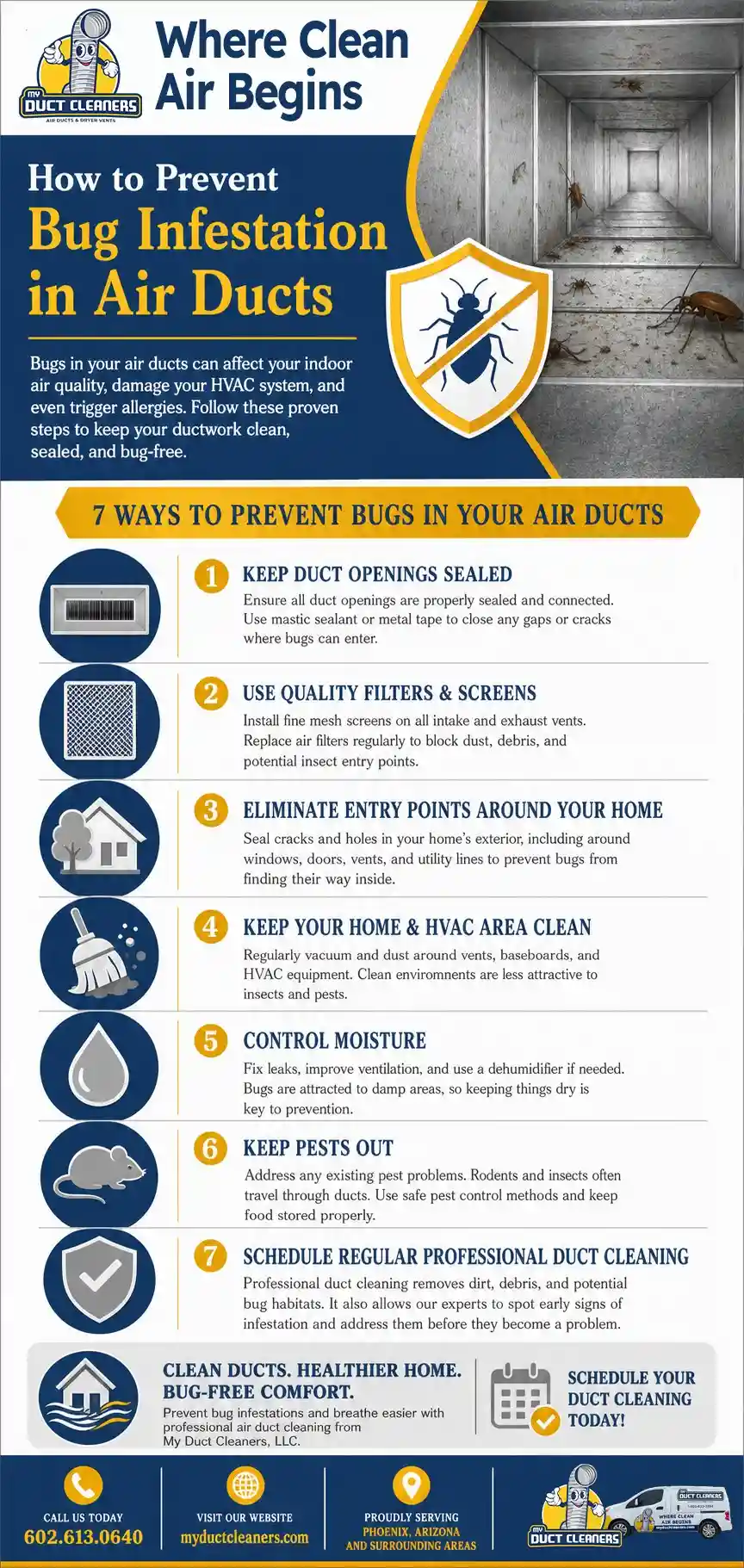
- Gaps Around Floor Vents and Registers: Even small openings allow cockroaches and ants to slip inside.
- Damaged or Unscreened Exterior Vent Covers: Roof, soffit, and wall vents with broken or missing mesh provide open doorways for pests.
- Unsealed or Disconnected Duct Sections: Loose ducts in attics, crawlspaces, and mechanical rooms create hidden pest highways.
- Dryer Duct Systems: Cracks and lint build-up here offer both pest entry points and fire risks.
- Leaks and Condensation: Moisture pools near cooling coils or humidifiers attract moisture-loving insects and promote infestations.
- Reduced Airflow: Poor ventilation leads to debris build-up, which pest populations can use as food and shelter.
Warning Signs of Pest Infestations in Your HVAC System
Spotting occasional bugs near vents isn’t necessarily cause for alarm, but persistent indicators hint at serious infestations needing professional attention.
| Warning Sign | What It Suggests | Recommended Action |
|---|---|---|
| Dark Specks, Droppings, Wings Near Vents | Pest debris circulating inside ducts | Schedule professional HVAC and pest inspection |
| Musty, Rotten, or Mousy Odors | Dead insects or waste trapped inside ducts | Contact pest control and duct cleaning specialists |
| Repeated Insect Sightings Near Same Registers | Active nesting or ongoing entry | Inspect and seal all access points promptly |
| Nesting Material or Pet Hair Around Vents | Pest accumulation in system | Professional pest inspection required |
| Unexplained Respiratory Symptoms | Dust, allergens, or pest byproducts in air | HVAC inspection and potential duct cleaning recommended |
| Visible Spider Webbing or Insect Trails | Spider infestations indicating prey presence | Engage professional pest control |
Dark Specks, Droppings, Wings Near Vents
– What It Suggests: Pest debris circulating inside ducts
– Recommended Action: Schedule professional HVAC and pest inspection
Musty, Rotten, or Mousy Odors
– What It Suggests: Dead insects or waste trapped inside ducts
– Recommended Action: Contact pest control and duct cleaning specialists
Repeated Insect Sightings Near Same Registers
– What It Suggests: Active nesting or ongoing entry
– Recommended Action: Inspect and seal all access points promptly
Nesting Material or Pet Hair Around Vents
– What It Suggests: Pest accumulation in system
– Recommended Action: Professional pest inspection required
Unexplained Respiratory Symptoms
– What It Suggests: Dust, allergens, or pest byproducts in air
– Recommended Action: HVAC inspection and potential duct cleaning recommended
Visible Spider Webbing or Insect Trails
– What It Suggests: Spider infestations indicating prey presence
– Recommended Action: Engage professional pest control
NADCA Certified residential air duct cleaning and commercial air duct cleaning technicians can tackle some of the toughest jobs. Are you looking for an air duct cleaner near you in the Major Metropolitan Phoenix area? Call 602-613-0640 or schedule an appointment online.
Why Moisture and Building Conditions Worsen Pest Problems
Moist environments inside ducts and adjacent areas attract a wide range of pests, enhancing their reproduction and survival. Phoenix’s seasonal monsoons elevate indoor humidity and exacerbate these moisture problems.
Common Moisture-Prone Areas
- Cooling Coils: Condensation can saturate insulation and duct surfaces, drawing flies and other moisture-loving insects.
- Humidifiers: Poor maintenance or excessive humidity settings create breeding grounds for bacteria and pests.
- Leaks and Drips: Unnoticed plumbing or duct leaks produce damp zones ideal for insects.
- Fan Ducts & Vent Lines: Moisture accumulation in concealed spaces supports pest clustering and mold growth.
Effective pest management requires addressing these moisture sources first; otherwise, infestations often recur despite pest treatments or cleaning.
Impact of Pests in Air Ducts on Indoor Air Quality
The presence of pests doesn’t just cause nuisance—it contaminates the air you breathe with allergens and harmful particulates.
Contaminants Spread by Infested Ductwork
- Pest droppings dispersed as fine airborne particles.
- Shed skins and body fragments, common allergen sources.
- Nesting debris such as lint, pet hair, and fibers stirred up by airflow.
- Decomposing insects emitting foul odors.
- Bacteria and pathogens potentially carried in waste materials.
Signs of Air Quality Impact
Everyone is affected differently, but allergy and asthma sufferers are particularly vulnerable to pest-related irritants circulating through HVAC systems. Symptoms include itchy eyes, sneezing, coughing, asthma attacks, and unexplained respiratory distress, often worsening when the system is operational.
Important Safety Note: Avoid DIY Pesticide Sprays in Air Ducts
Spraying pesticides, foggers, or bleach directly into air ducts is extremely hazardous and counterproductive. Chemical residues can contaminate breathing air, damage HVAC components, and violate EPA safety regulations, ultimately worsening indoor air quality rather than improving it.

Professional pest control integration combined with contained, source-removal duct cleaning performed by NADCA-certified technicians is the safest and most effective remedy.
Professional Duct Cleaning and Restoration: NADCA Standards
What Does NADCA Require for Pest-Related Cleaning?
The National Air Duct Cleaners Association (NADCA) defines professional duct cleaning as a thorough, source-removal procedure performed under negative pressure to prevent contamination of your home. For pest contamination, this ensures complete removal of debris while identifying and correcting root causes.
Key Steps of a NADCA-Compliant Process
- Comprehensive Inspection: Evaluates pest debris, moisture issues, structural damage, and vulnerable entry points.
- Root Cause Correction: Addresses damaged vent screens, unsealed gaps, moisture leaks, and duct damage before cleaning.
- Contained Source Removal: Uses agitation tools and HEPA-filtered negative air machines to extract pest waste and debris without dispersing contaminants.
- Post-Cleaning Verification: Includes before-and-after photos, debris descriptions, and reports on system condition and repair recommendations.
NADCA Certified residential air duct cleaning and commercial air duct cleaning technicians can tackle some of the toughest jobs. Are you looking for an air duct cleaner near you in the Major Metropolitan Phoenix area? Call 602-613-0640 or schedule an appointment online.
When Is Duct Cleaning Necessary?
Not every pest sighting warrants immediate duct cleaning. Professional evaluation focuses on three primary triggers:
- Visible Vermin or Pest Debris: Insects, droppings, nesting material, or dead pest-related odors inside ducts.
- Visible Mold Growth: Mold requires moisture remediation alongside cleaning.
- Heavy Dust or Debris in Living Spaces: Dust, pest waste, or fragments exiting supply registers.
If these triggers are absent, prioritizing sealing and pest control measures before considering cleaning often yields better results.
The Recommended Remediation Sequence
- Control Active Pest Infestations: Engage pest professionals to identify species, nests, and apply targeted treatment.
- Address Moisture Problems: Fix leaks, service humidifiers, and improve drainage with HVAC or plumbing specialists.
- Seal Entry Points: Repair or install vent screens, seal gaps, and fix damaged ducts.
- Perform Professional Duct Cleaning: Remove accumulated pest debris using NADCA-standard procedures.
- Implement Preventive Maintenance: Schedule regular inspections, humidity monitoring, and seasonal upkeep.
Practical Prevention Tips for Phoenix Homeowners
Effective prevention hinges on diligent sealing, moisture control, and routine maintenance tailored to Phoenix’s unique environment.
Seal Gaps and Cracks
Use silicone caulk for small openings, weather stripping for loose registers, and duct sealant or mesh for larger penetrations. Even quarter-inch gaps can admit cockroaches.
Install and Maintain Fine-Mesh Vent Screens
Ensure all exterior and interior vents have durable screens with openings no larger than 1/8 inch. Regularly inspect for damage and repair or replace promptly, especially after monsoon storms.
Maintain Low Indoor Humidity
Keep humidity levels between 30-50% with air conditioning, exhaust fans, or dehumidifiers. Promptly address leaks and condensation to eliminate damp pest habitats.
Keep Your Home Clean
Vacuum regularly, especially near registers; wipe surfaces; store food properly; clean pet food areas; and maintain landscaping away from vents. Reducing food and shelter reduces pest attraction.
Schedule Routine Professional Inspections
Annual or biennial professional HVAC and duct inspections catch emerging issues early, including moisture accumulation, pest activity, and physical damage.
Unique Challenges for Phoenix Residents
Living in a desert climate like Phoenix presents distinct pest and moisture-related challenges. The monsoon season (July–September) brings spikes in humidity that encourage fly outbreaks and temporary moisture inside ducts. Construction dust common to desert environments also invites beetle activity.
Temperature fluctuations cause condensation risk, while older homes often suffer from deteriorating duct integrity. Phoenix-specific pests include year-round cockroach activity, occasional scorpions entering ducts or mechanical spaces, and spiders preying on other pests within ductwork.
Proactive inspection before and after monsoon seasons, regular coil cleanings, and vigilant maintenance minimize these risks.
What to Expect from Professional Help at My Duct Cleaners, LLC
When you contact us for suspected pest problems, we take a systematic approach to identify and solve the issue from root causes to restoration.
Comprehensive Inspection
We evaluate visible pest signs, moisture presence, structural integrity, airflow, and listen carefully to your symptoms or concerns.
Clear, Transparent Communication
We explain whether debris indicates pest activity or if cleaning alone suffices, and if pest control or moisture remediation is necessary first.
Professional Cleaning with Proof
If cleaning is indicated, we provide photographic before-and-after documentation, detailed debris descriptions, and written assessments.
Honest and Responsible Advice
We recommend pest control first for active infestations, moisture fixes when contributing to pests, and sealing before cleaning, ensuring lasting results rather than temporary fixes.
Get Your Air Ducts Cleaned!
Hidden pests in your air ducts pose a serious threat to indoor air quality, comfort, and health—especially in Phoenix’s challenging climate. Recognizing common pests, understanding their entry points, identifying warning signs, and addressing moisture issues are critical to effective prevention and control.
Partnering with NADCA-certified professionals like My Duct Cleaners, LLC ensures that your HVAC system is thoroughly inspected, cleaned, and maintained according to industry best practices. Through a disciplined sequence of pest control, moisture management, sealing, and professional cleaning, you can protect your home or business from costly and unhealthy infestations.
Don’t wait for a pest problem to escalate—take proactive steps today to safeguard your indoor environment and enjoy cleaner, healthier air year-round.
NADCA Certified residential air duct cleaning and commercial air duct cleaning technicians can tackle some of the toughest jobs. Are you looking for an air duct cleaner near you in the Major Metropolitan Phoenix area? Call 602-613-0640 or schedule an appointment online.